Cusco
I spent the day in Cusco while Riley finished working for the week. I packed my things, took the bus to the city, and rode a taxi to my hostel. I had my own room and bathroom for a whopping $14 a night. Cusco is already a relatively cheap city, and visiting in the low season for tourism helps with budget travel. 🙂
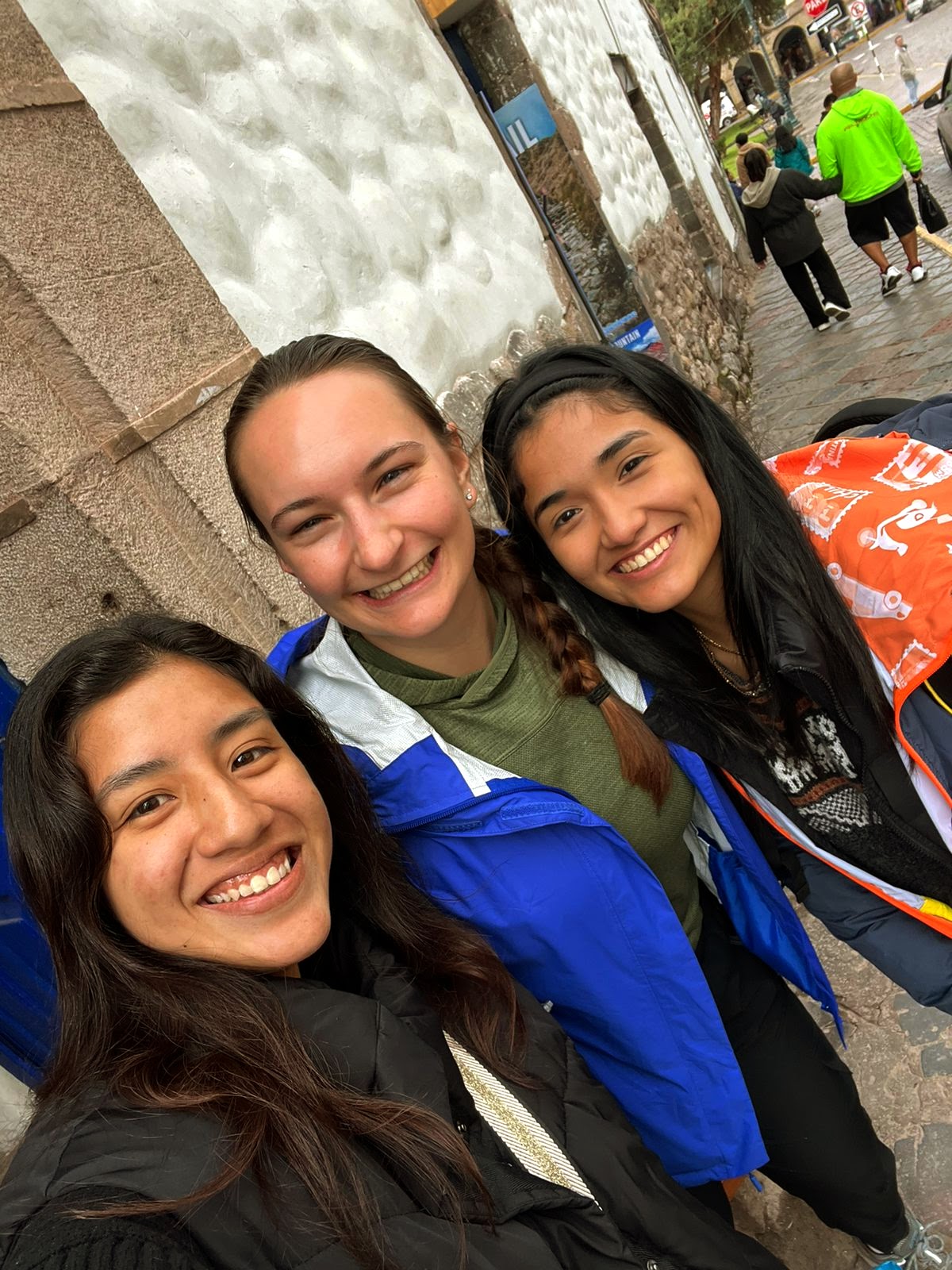
For lunch, I met up with old friends from my study abroad! Ale and Ximena are from Lima, and it happened by chance that they were in Cusco the same week as me. We caught up over lunch and chatted about our bucket list travel experiences. We didn’t really stay in touch after our semester abroad, and it was good to reconnect.
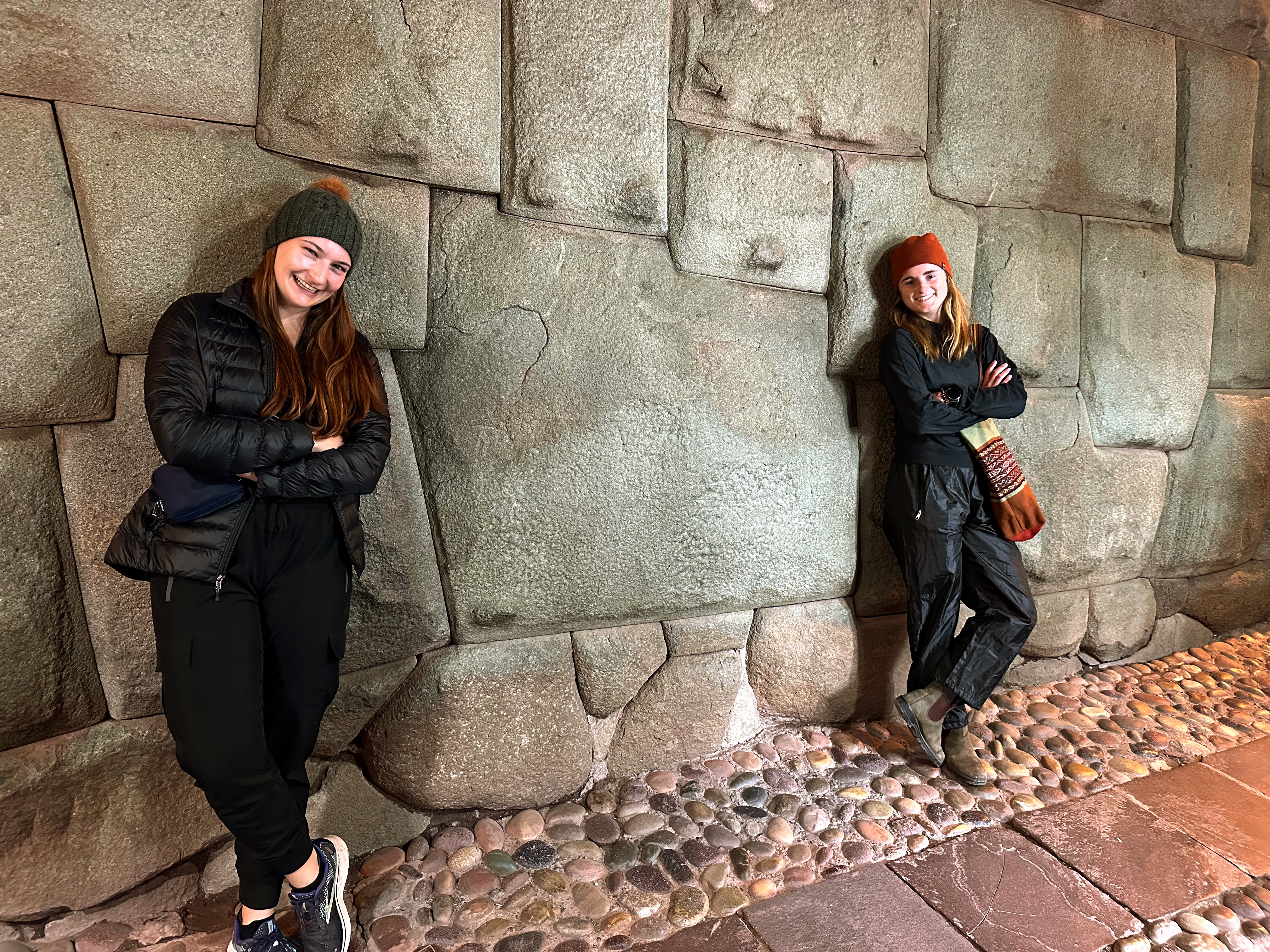
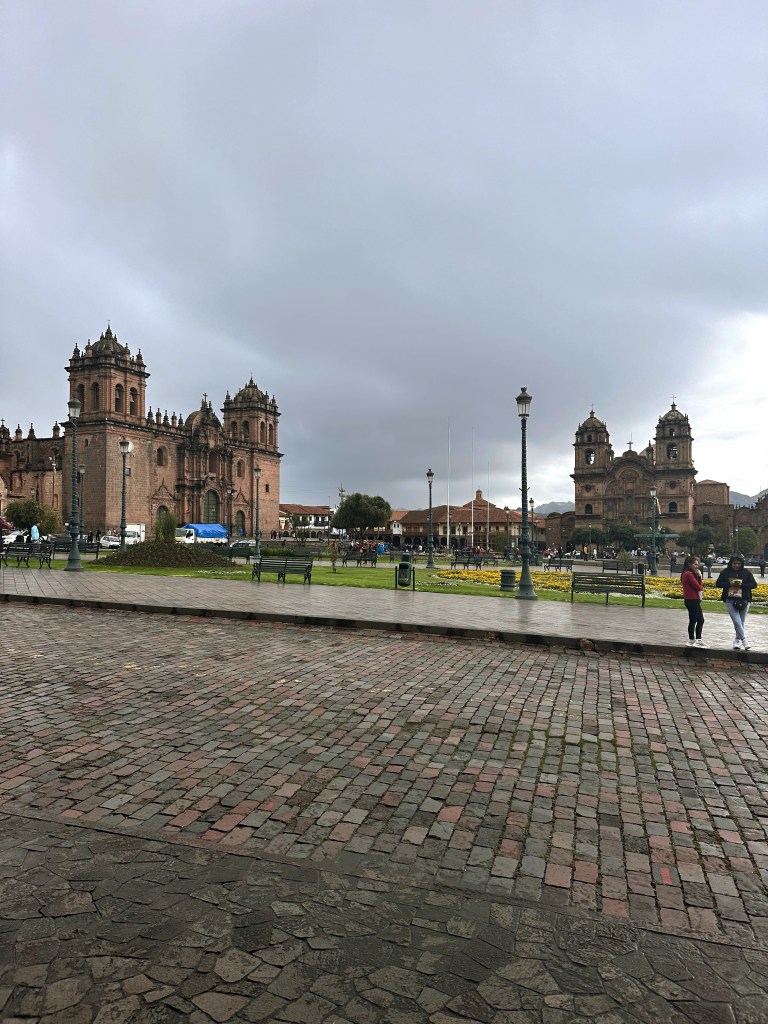
Riley came to Cusco after work, and we grabbed a quick pizza, beer, and Inka Cola for dinner (still college students at heart). On our way to the main square, Plaza de Armas, we passed the 12-angled stone. This stone is two meters thick and weighs six tons! Like all Inca structures, the stone was laid without mortar and the surrounding stones are so tightly fitted. It’s amazing how the Inca ruins are intact after 600 years!
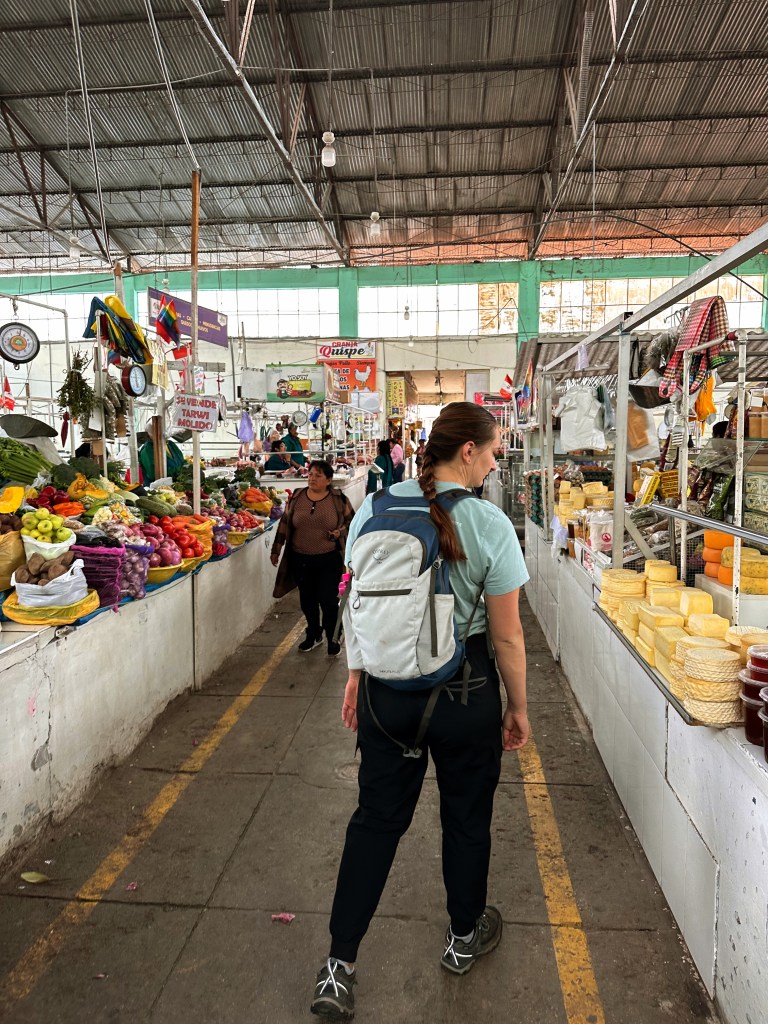
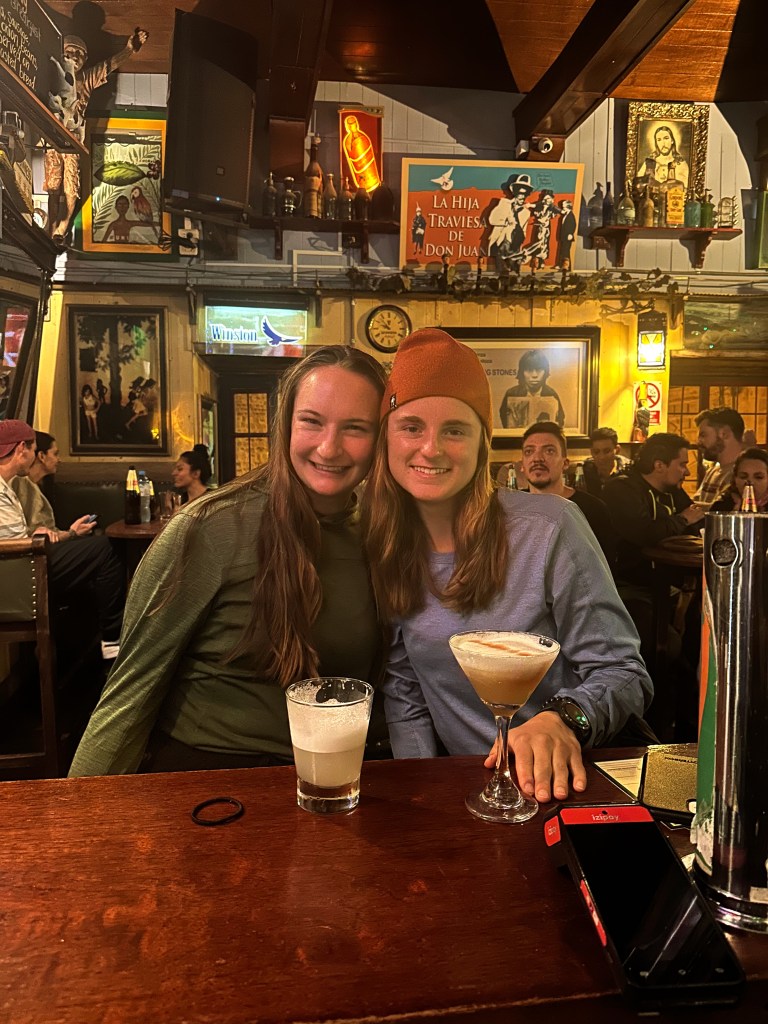
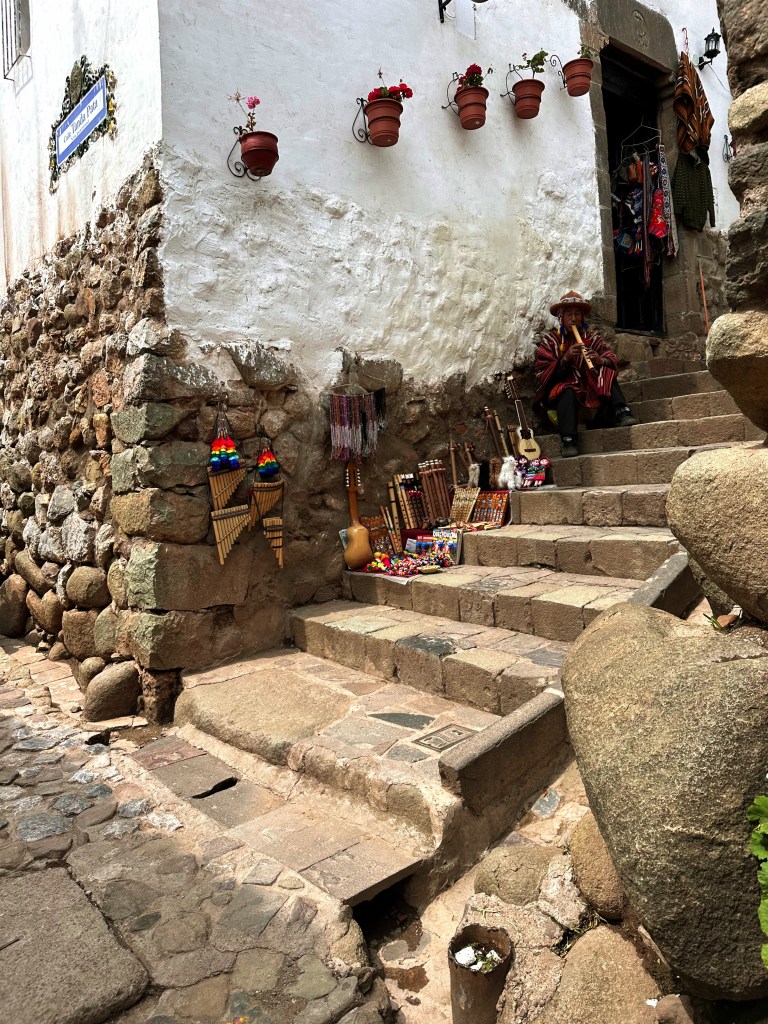
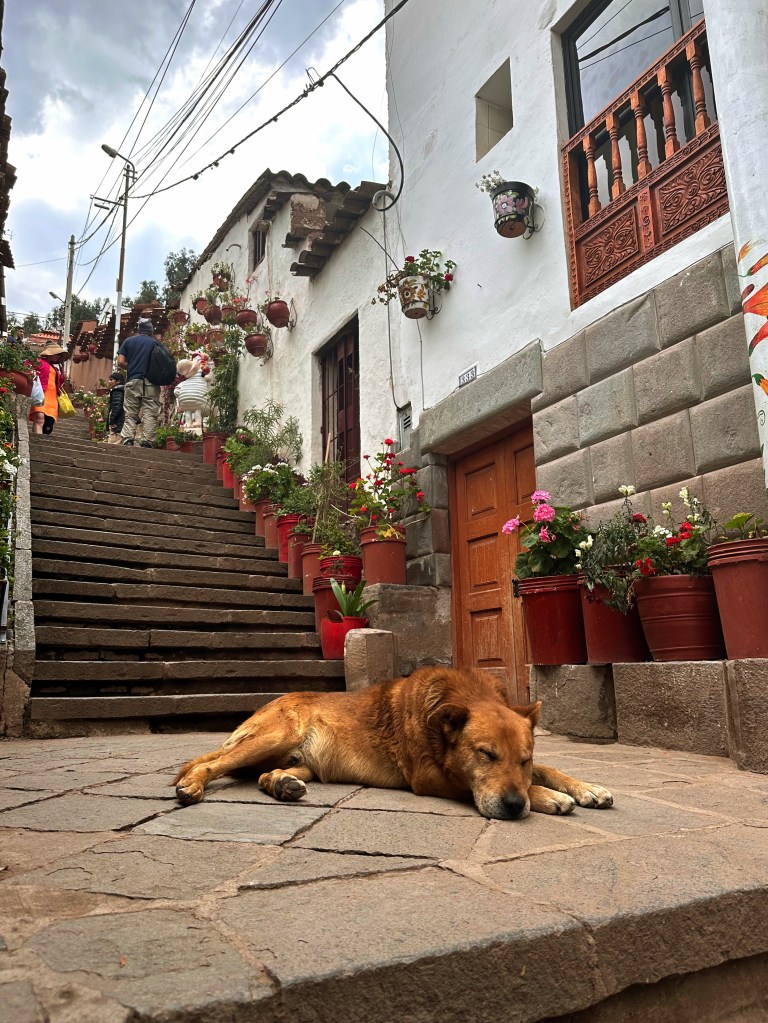
On Saturday, we visited an outdoor market that hosted a culture festival, window shopped in the beautiful San Blas neighborhood, and went to Paddy’s, “the highest 100% Irish-owned pub on the planet at 11,156 ft.” Among the usual souvenirs, the outdoor markets sell alpaca wool ponchos, coffee, and salt from the Maras salt mines. I bought myself a green beanie and a small ceramic dish to hold my rings. 🙂 At Paddy’s I drank a pisco sour, a classic Peruvian cocktail.
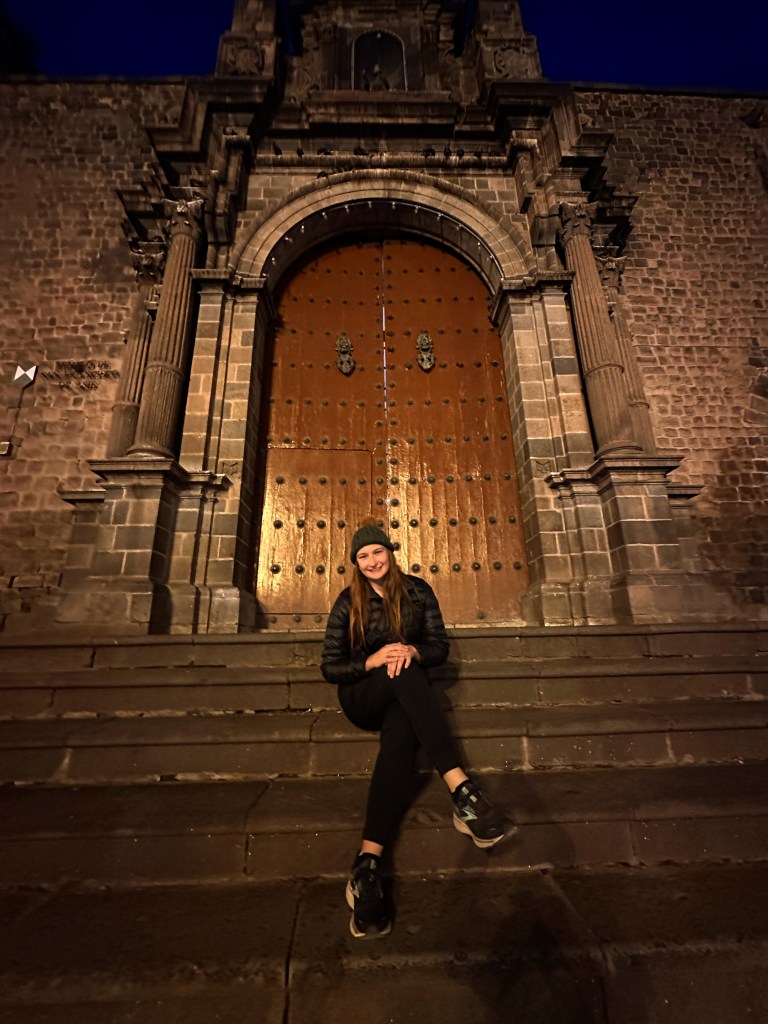
On Sunday, we went to Mass at the Cusco cathedral. It is always interesting to me to see the Catholic faith practiced in different cultures while still holding the fundamental truths. “In essentials, unity; in non-essentials, liberty; in all things, charity.” – St. Augustine. I want to briefly share what Riley and I noticed about the Catholic faith of Peruvians. From our observations, Peruvians have a strong connection to mother nature (“Pachamama”) that stems from the Incan polytheistic faith 500 years before. It seems their faith is a mix of a reverent relationship with Pachamama and tolerance in Catholic traditions. For example, after Mass, people rushed to the altar to have things blessed with holy water. I have not seen that fascination with holy water in the US or Europe. Our hypothesis is that this faith in nature lingers considering the abrupt introduction of the Spanish Catholic faith in the 1500s. Catholic churches stand where Inca temples once were, and it saddens me to imagine these churches being built from a place of greed rather than charity.
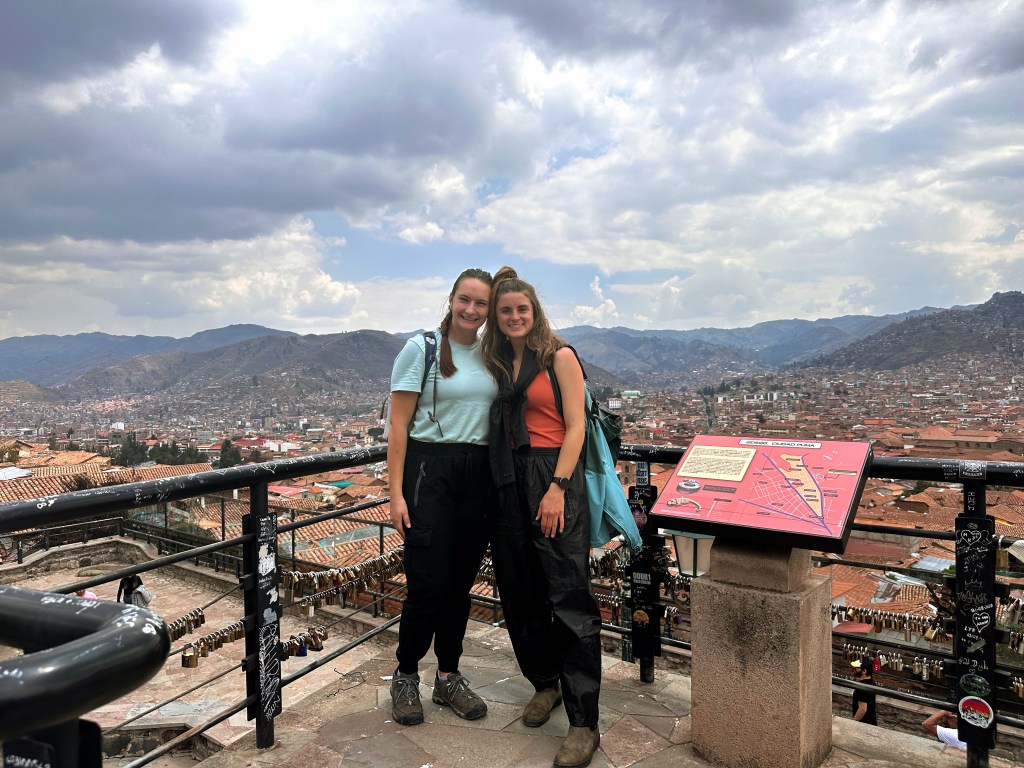
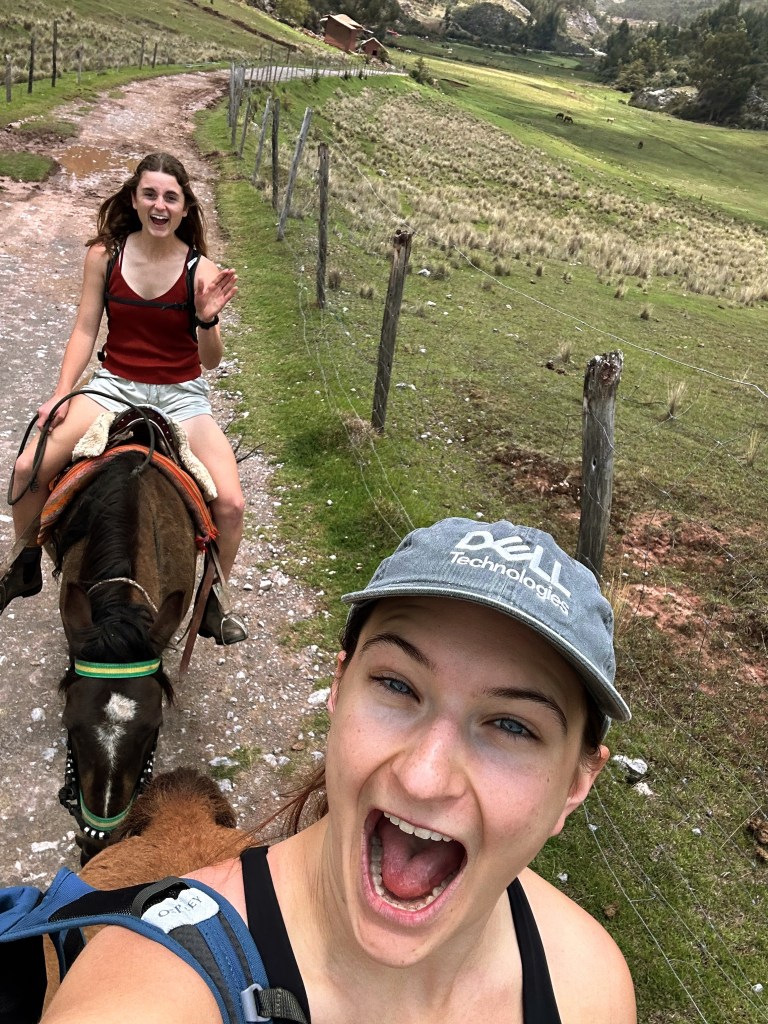
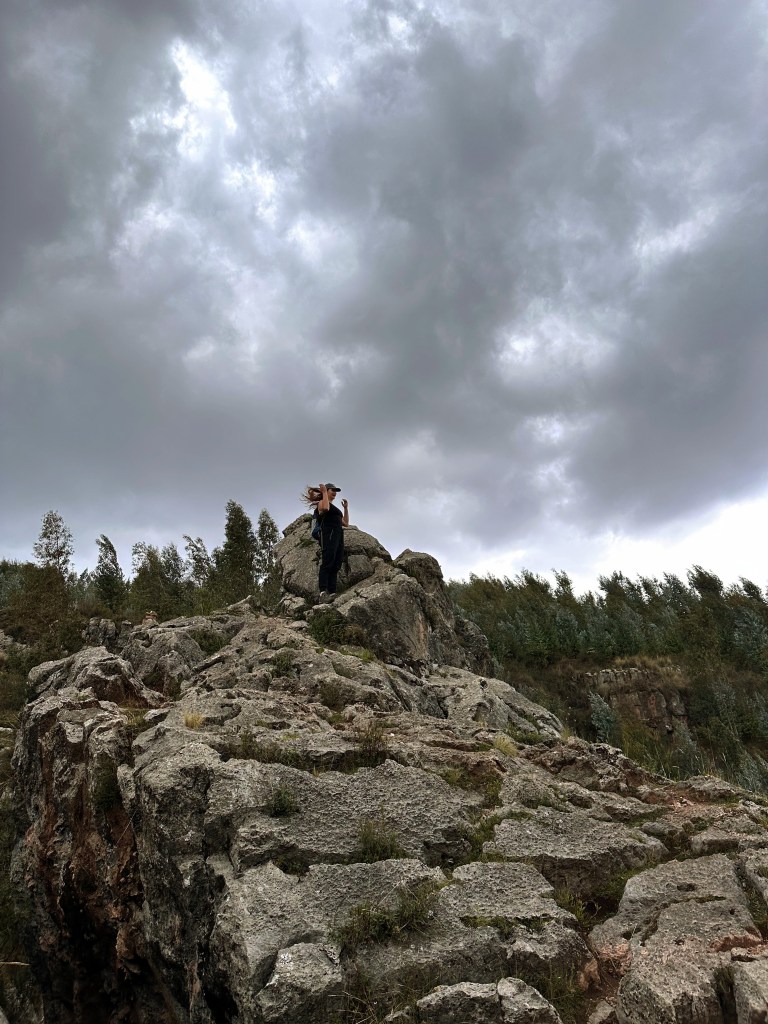
After Mass, we explored the Sacsayhuamán ruins (pronounced “sexy woman”). On the hike up to the entry of the ruins, there were many locals advertising their horses to explore the ruins. Riley and I decided to try it, and it ended up being a tourist scam (big surprise). We still had fun for the brief time we rode the horses, and we were glad we heckled down the price.

Food
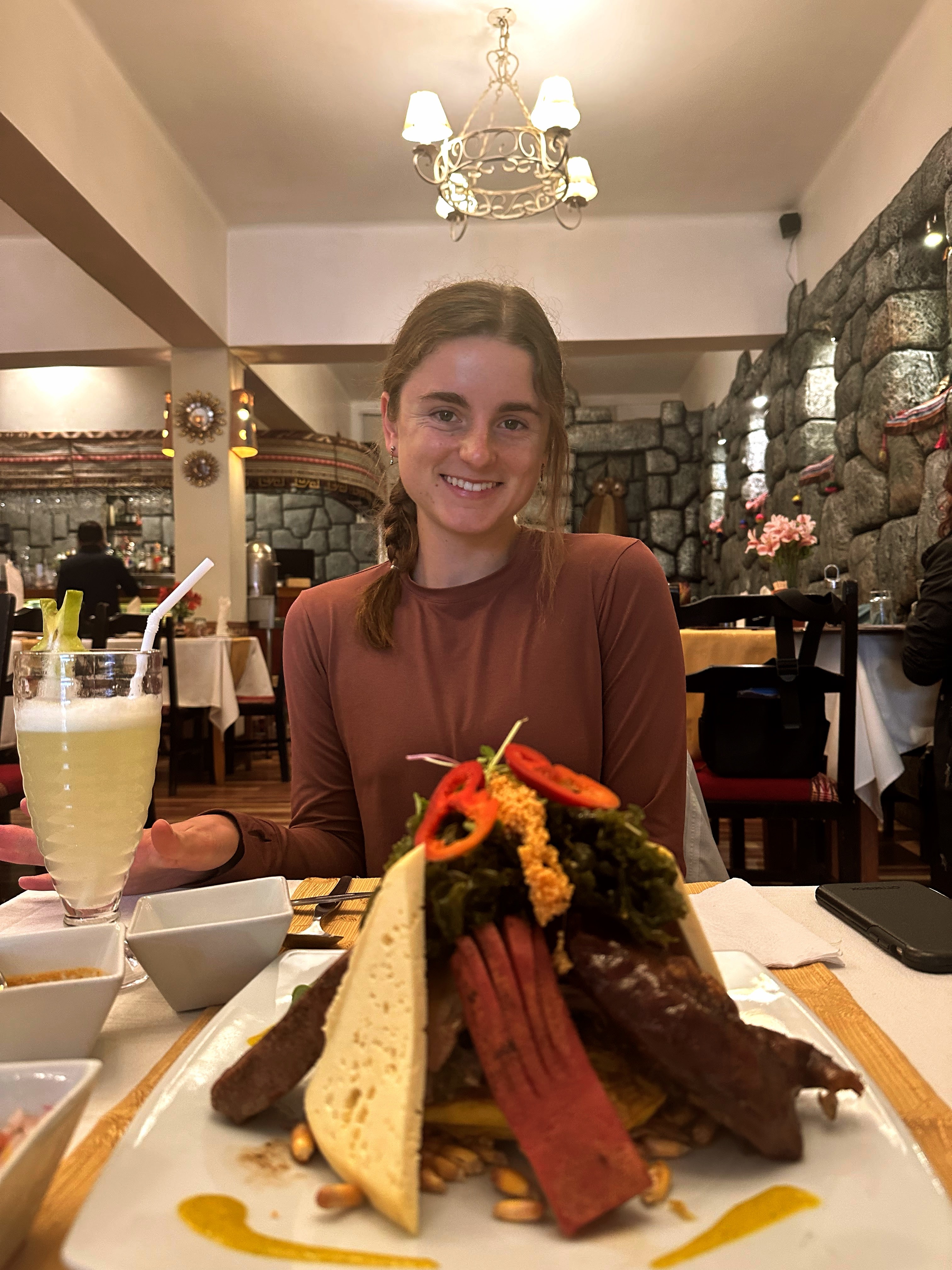
I find it important to try the local cuisine with I travel to a new place. I like to think I have the mindset that food doesn’t taste “bad”, it’s just a different flavor, texture, etc that I am not used to. However, I tried some of the strangest food while in Peru. In my opinion, some of these dishes tasted bad, plain and simple. Guess I need to work on my mindset, haha! Here is a list of some of the food I tried:
Sangrecita (blood brownies) – Riley and I bought homemade sangrecitas from a bake sale at the Jesuit high school in Andahuaylillas. When Riley told me what I was about to eat, my first thought was “Is this how people get parasites in third world countries??” I think they used cow or chicken blood in the batter. Thankfully, I couldn’t taste the blood. Overall, I rate sangrecitas a 6/10 for great creativity, but needs improvement on the dry texture.
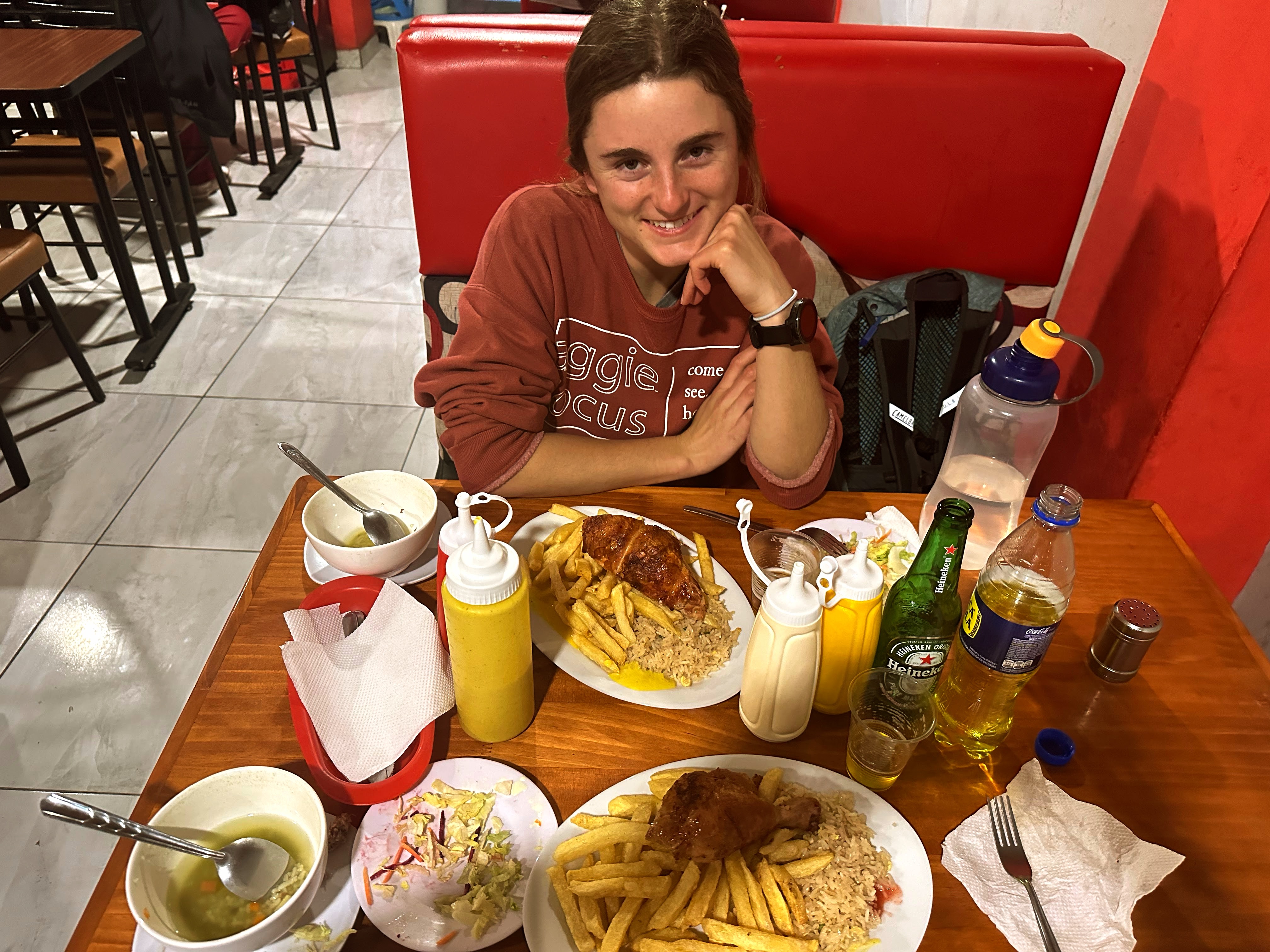
Pollo a la Brasa – Rotisserie chicken served with French fries, a starter soup, and a drink. We went to try pollo a la brasa at a “Chinese” restaurant; you can tell from our photo because our meal was served with fried rice. 9/10 for simplicity and flavor. (bottom left)
Rocoto relleno (stuffed chili pepper) – Imagine a chicken pot pie filling, stuffed in a chili pepper, and fried with biscuit dough. Introducing, the rocoto relleno, my favorite street food in Peru. For five soles ($1.33), it comes with a side of potatoes and is the most satisfying and filling lunch you can buy on the streets. 10/10 for the taste, how filling it was, and the affordable price. (top left)
Cuy (coo – ee, “guinua pig”) – I was most excited to try cuy in Peru. Guinea pig is native to the mountain region, and we saw a wild cuys around the Sacsayhuamán ruins. I am sad to say that cuy is one of the nastiest things I’ve tried. I’m not used to eating chewy and gamey food. Some say cuy tastes like chicken, but I’ve never had chicken with that texture and flavor. I rate it a 2/10, just for the experience of trying it in Peru. (top right)
Anticuchos de corazón (skewered beef heart) – Anticuchos is another common street food like rocoto relleno. Riley ordered the beef heart, and I ordered chicken. When you order street food in Peru, you sit at the vendor’s stand and pay as you leave. Usually, the women would grill at the stand, while their husbands would serve, collect payment, and bring more of the food that was prepared at home. 8/10 for taste, convenience, and for being one of the few ways Peruvians eat protein. (bottom right)
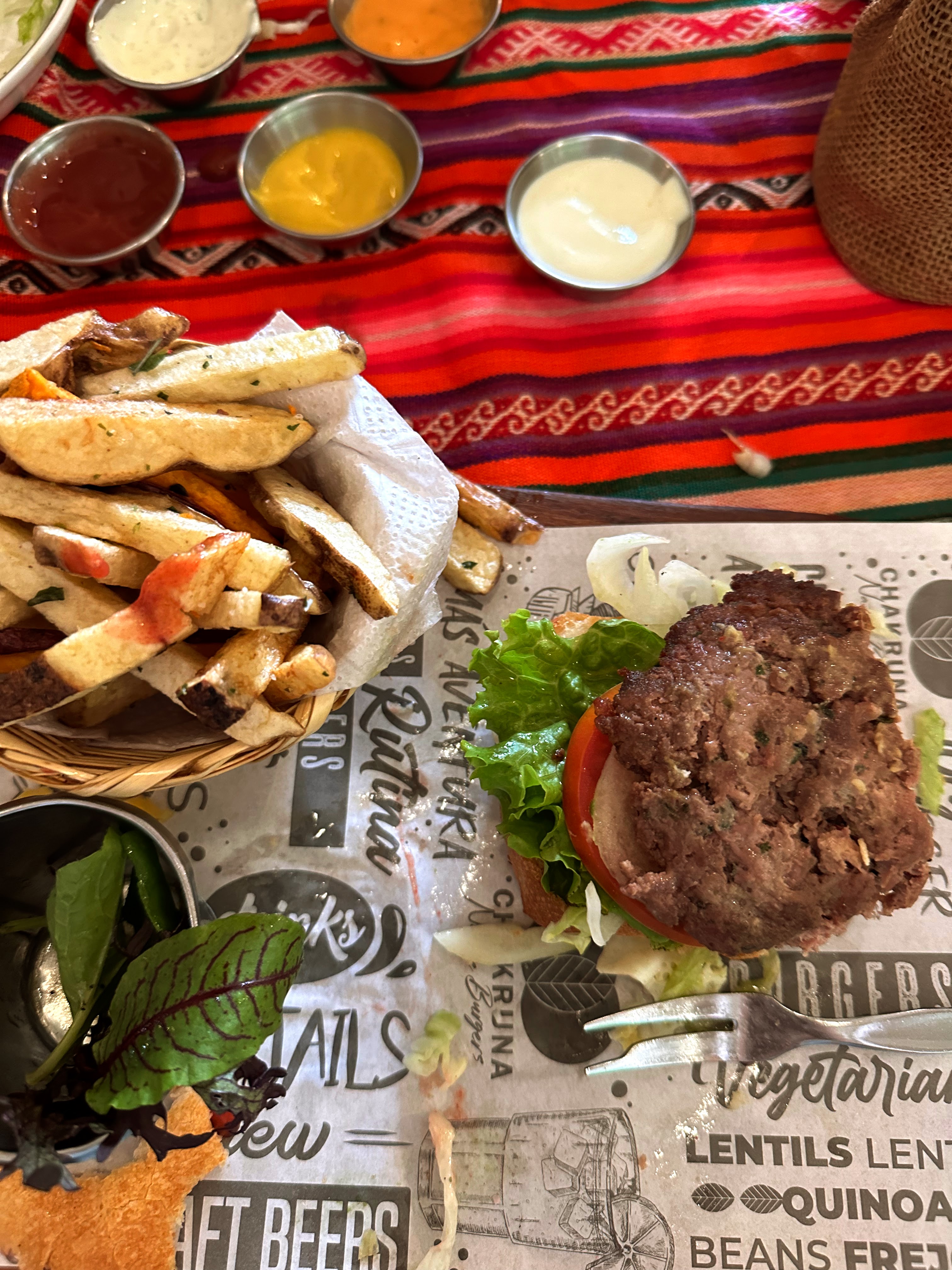
Alpaca hamburger – It tasted just like hamburger, and it was served in nice café (better than McDonald’s). A perfect score, 10/10. (top middle)
Stay tuned for my next post about my five-day hiking trip to Machu Pichu!


 kira vesta
One thought on “Cusco: Peru, pt. 2”