Traveling every weekend is fun and exciting, but I quickly lost track of my schoolwork. Being productive on the five-hour train to Austria made it easier to enjoy my last travel weekend before I took a brief hiatus to focus on school.
We checked into our hostel late at night, and then met for drinks with a couple of Rachels’s classmates on their last night in Vienna. I was annoyed the beer cost almost four euros; in Prague, I usually spend about two dollars on a beer. This might be a culture shock when I return home…
We spent the next day walking around the Vienna Ring Road- a boulevard that encircles the historic center of Vienna. Most of the main attractions are along this route, and we finished with plenty of time before Holy Thursday mass. As we walked, salesmen dressed as Mozart tried to sell passersby concert tickets. It became annoying very quickly, and it was difficult to avoid their persistent pursuits.
The first site we visited was Karlskirche, the Church of St. Charles of Borromeo. We paid for entry to the church, the platform in front of the cupola, and the indoor elevator ride to the church ceiling to see the frescos up close. We were disappointed with the view from the cupola platform and did not wish to stand in line for the elevator. I wish there was a better way to display the frescos without installing an industrial elevator inside the Church. The church was beautifully preserved, and the elevator stole some of the church’s grandeur.


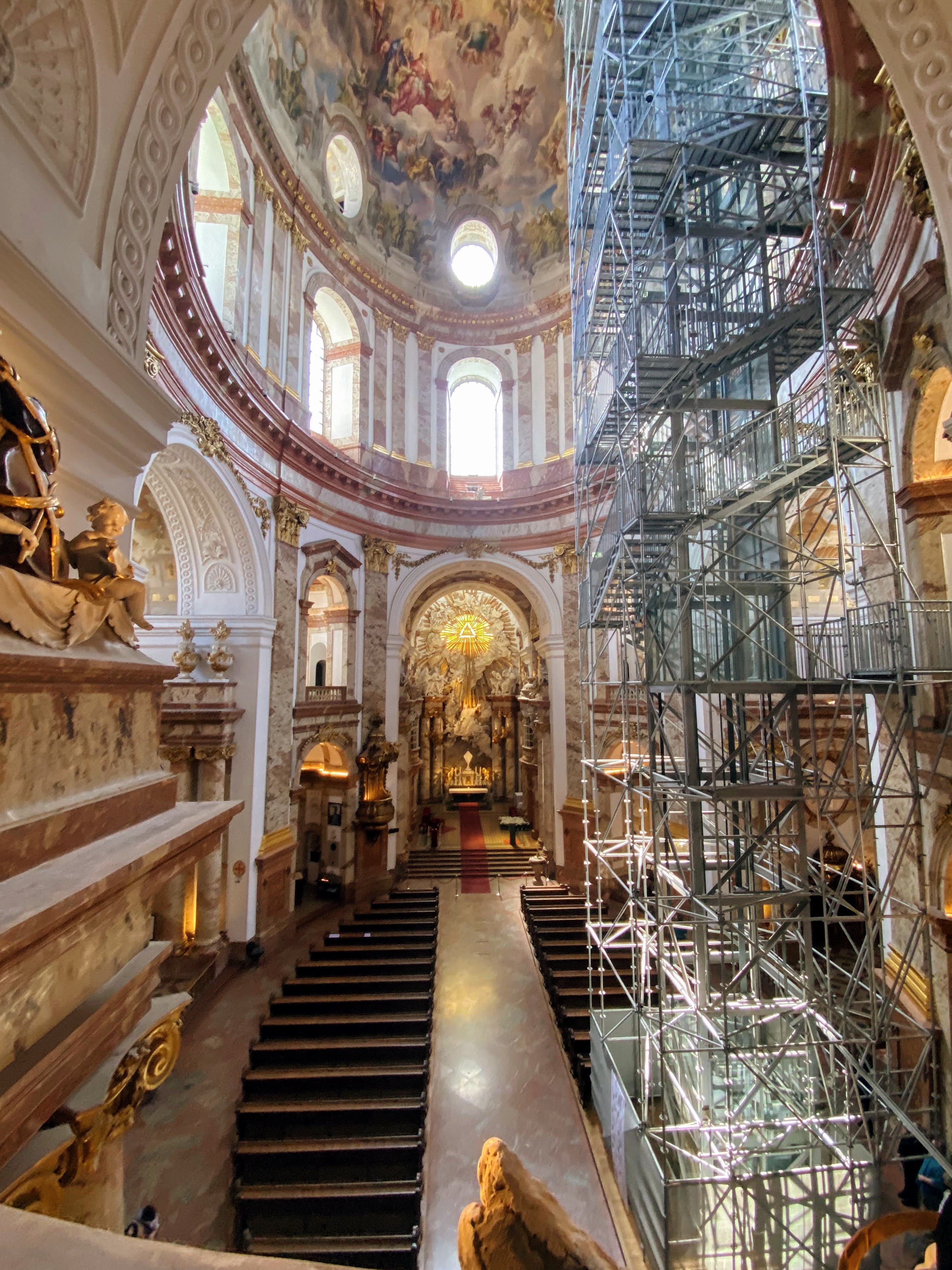
Side note: I am often bothered when churches charge an entrance fee. The church becomes exclusive because only those that can afford to enter can witness the church’s beauty. Charging an entrance fee also hinders the piety and reverence that a church beckons. The church becomes a museum or business instead of a place to intimately encounter God. There must be a way to raise funds for the church, encourage people to enter, and respect the presence of God inside.
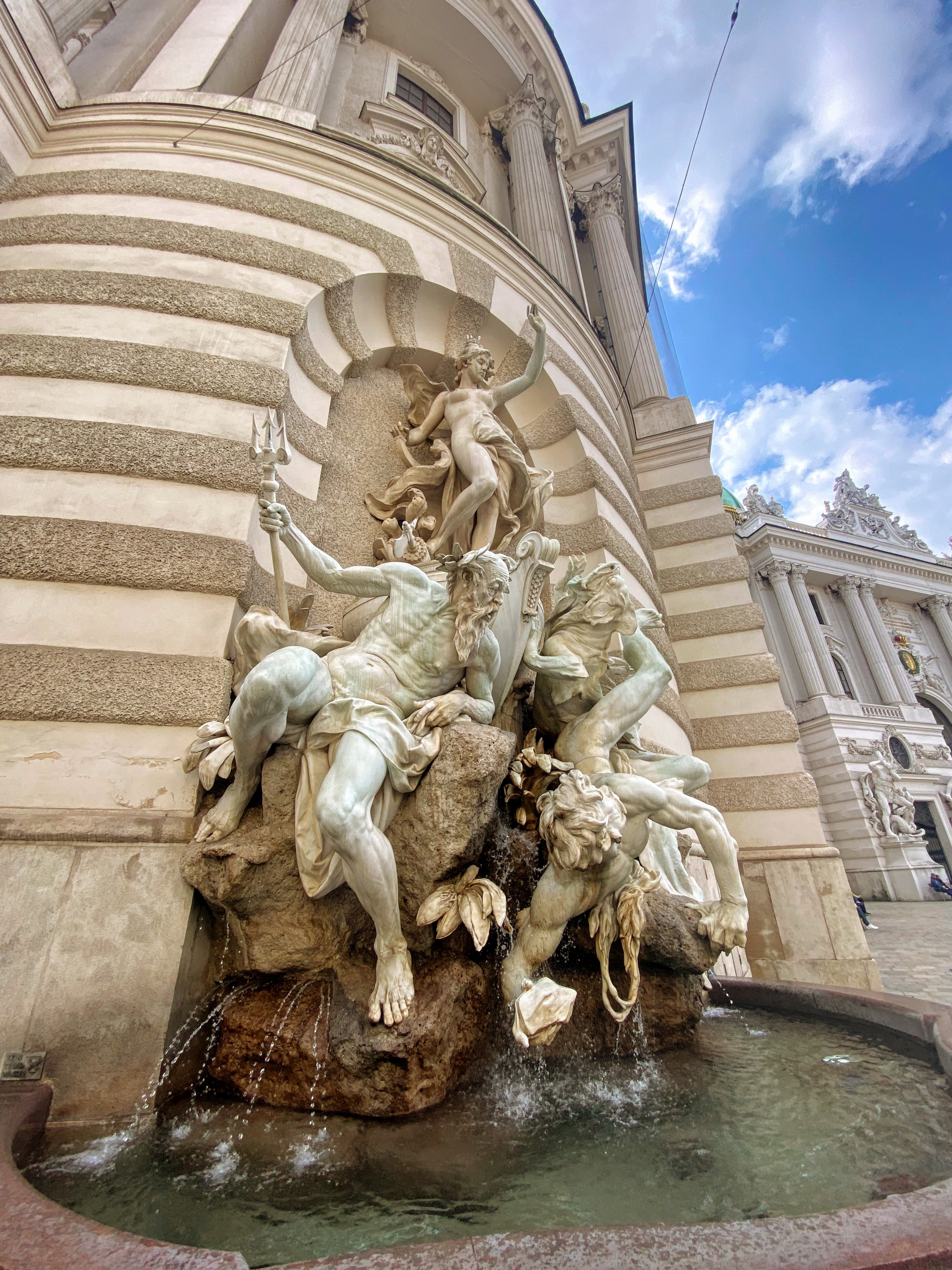
From Karlskirche, we walked through Maria-Theresien-Platz to see the beautiful buildings in the Museum Quarter. Although we did not tour the National History and Fine Arts museums, we stepped inside to see the intricate decor inside. We strolled around the Hofberg (the winter palace of the Habsburg dynasty) and walked past the Votivkirche and Rathaus (Parliament). The weather outside was too beautiful to spend indoors, and we were happy to take a few photos and move on. Unfortunately, many of the main attractions were under construction when we visited. Other churches we visited were Peterskirche, Michaelskirche, and Stephansdom. St. Stephen’s Cathedral was beautiful, and if we had more time, I would have liked to visit the catacombs and tower. Although these churches are beautiful, it is becoming difficult to remember the uniqueness of each one; my memory is blending what I have seen into one megachurch.
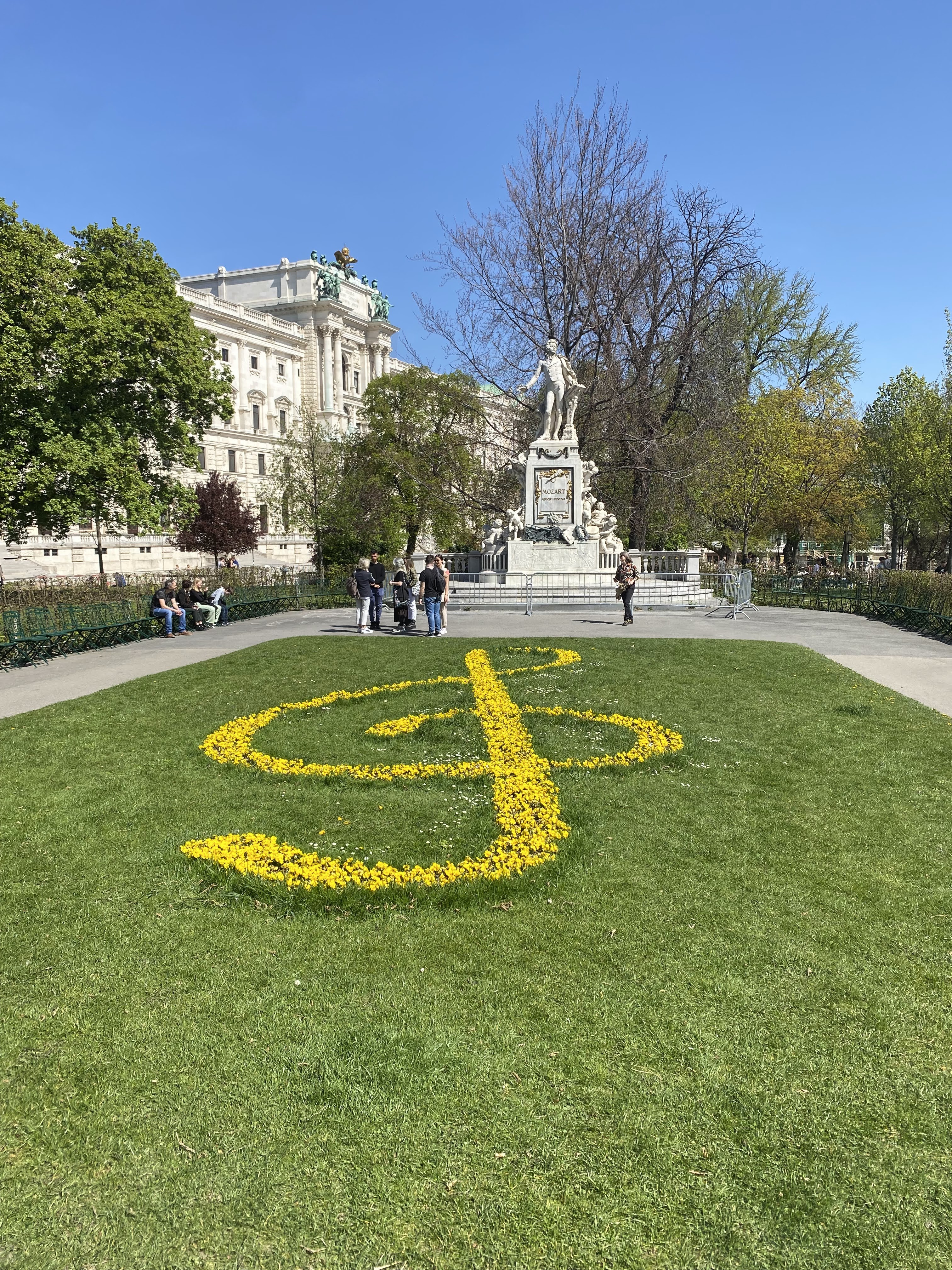
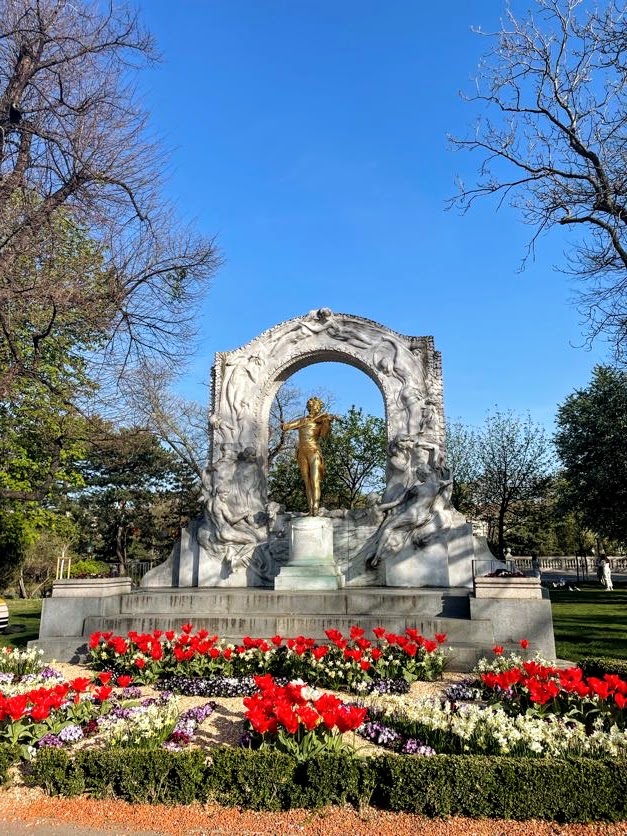
The Viennese culture felt more relaxed and slower-paced than the Prague culture. Rachel and I did not rush our walk and we often people-watched at park benches. We enjoyed the quietness of the city in Rathauspark and I napped on the lawn in Stadtpark. Vienna is not my favorite city I have visited, but it boasts the best parks I have seen. We also relished the slow, Viennese coffee culture. The food we ate in Vienna deserves its own post, especially because we created our own pastry tour (stayed tuned!).
The mass we attended seemed more like a daily mass than the typical Holy Thursday mass to begin the Triduum. There was no washing of feet, Eucharistic procession, or blessing of bread loaves. We thought this church had English mass, but the schedule must have changed due to Holy Week. Good thing mass in German still counts!
On Friday, we spent our time at the Spanish Riding School and the Habsburg summer palace, Schloss Schönbrunn. We watched the public training session of the famous Lipizzaners to classical music. The tickets for standing room at the training sessions are much cheaper than seats at the performance, and we still saw some epic dressage without the full performance. Photography was not allowed during the performance, but I managed to snap a photo before the announcement.
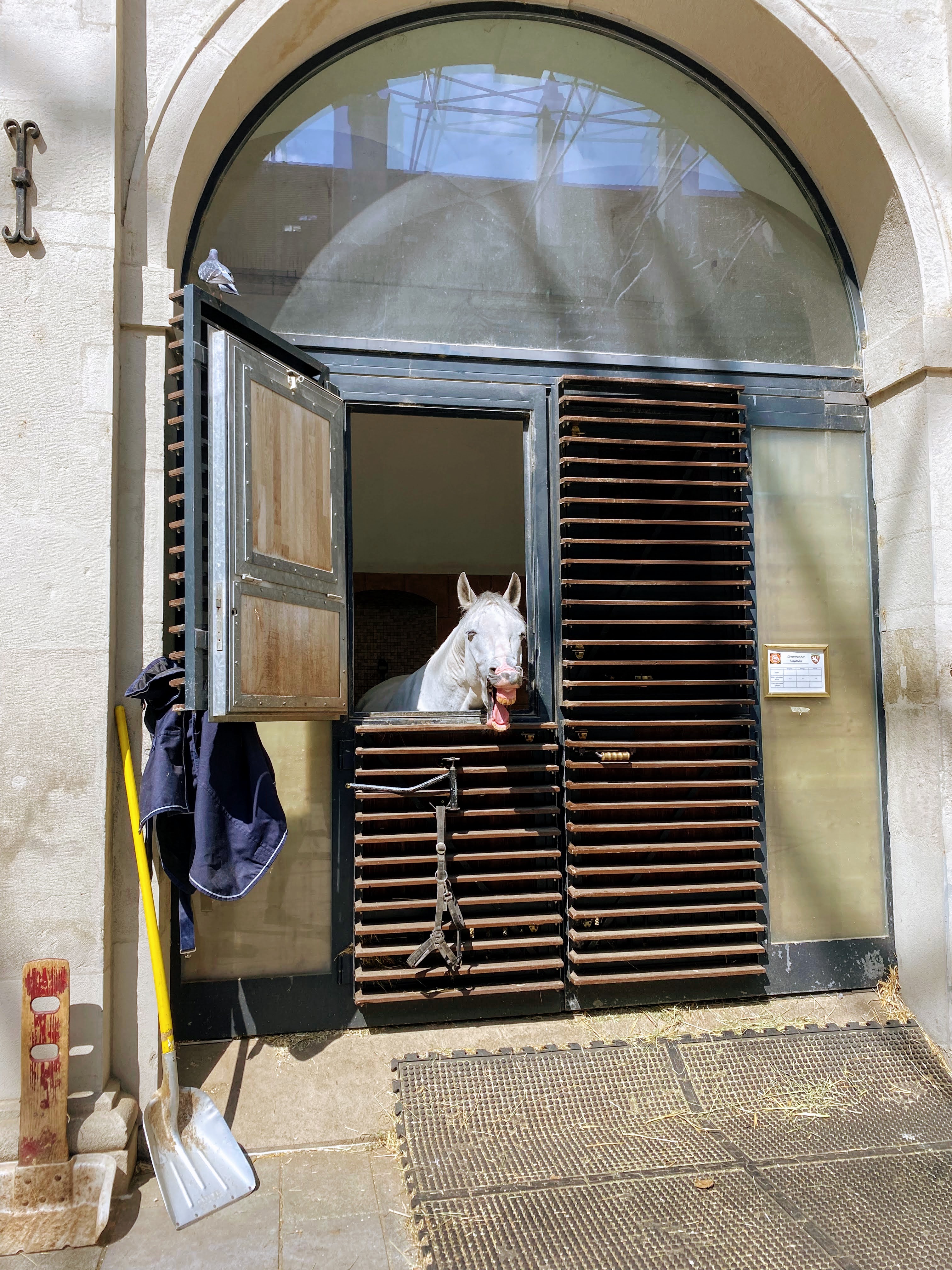
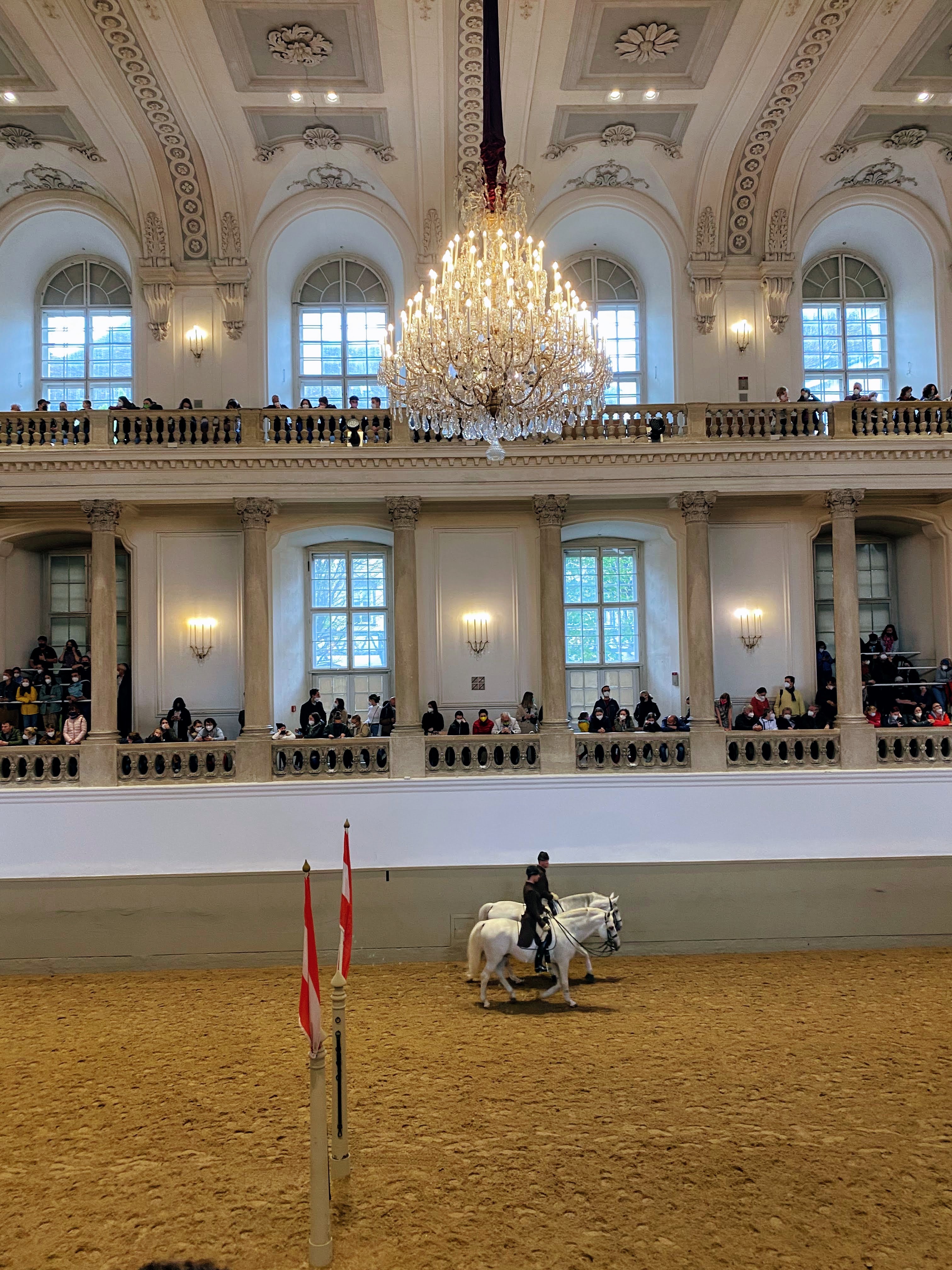
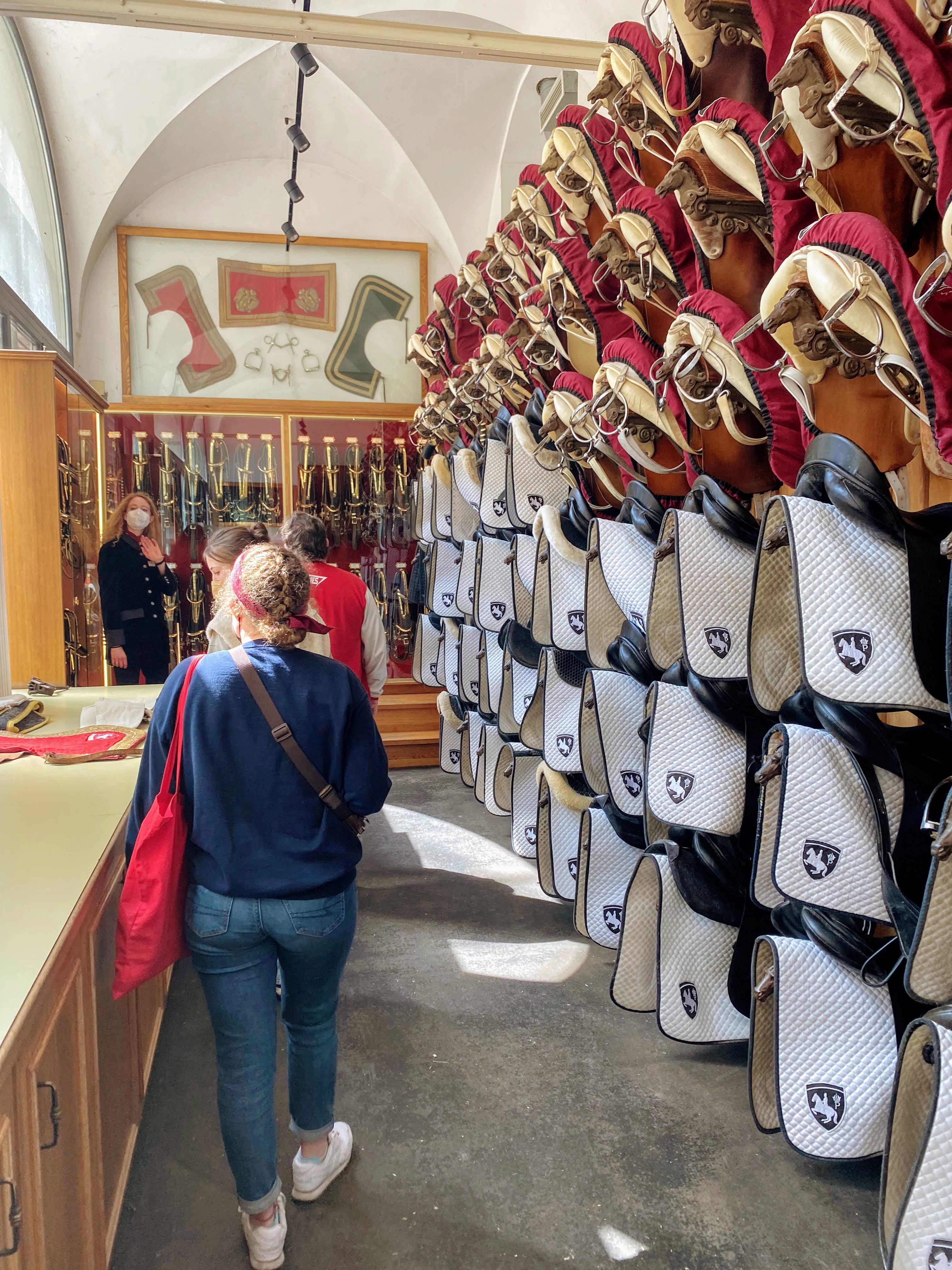
After the training sessions, we went on a guided tour of the stables and saw the horses up close. We learned that the stallions are given two names: the family name of the father and the first name of the mother and are referred to by their mother’s name. For example, the horse Neapolitano Graziella is called Graziella. The horse ballet taught at the Spanish Riding School differs from traditional dressage. For instance, horses begin training at a slightly older age and retire much later than horses trained in traditional dressage. A Lipizzaner is taught every basic dressage skill but is only an expert in one or two movements; not all stallions train for the famous Capriole jump, for instance. (Rachel and I were fortunate to see this skill during the public training session!) Horses in traditional dressage are trained as experts in every skill, no matter if the horse is ill-suited for a particular movement. The tour guide was subtle in explaining why the Spanish Riding School was superior to dressage, and I have no reason to doubt her.
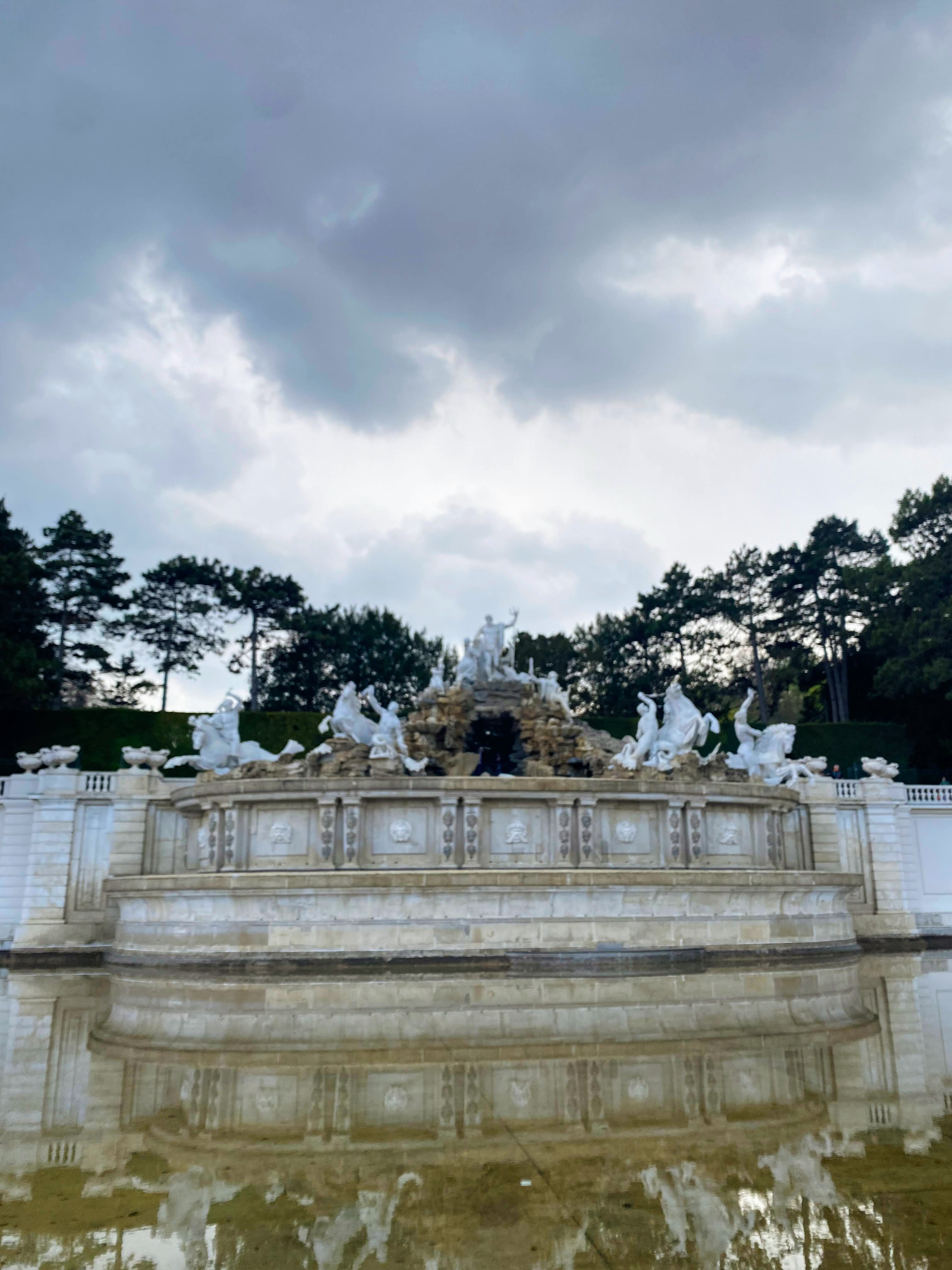
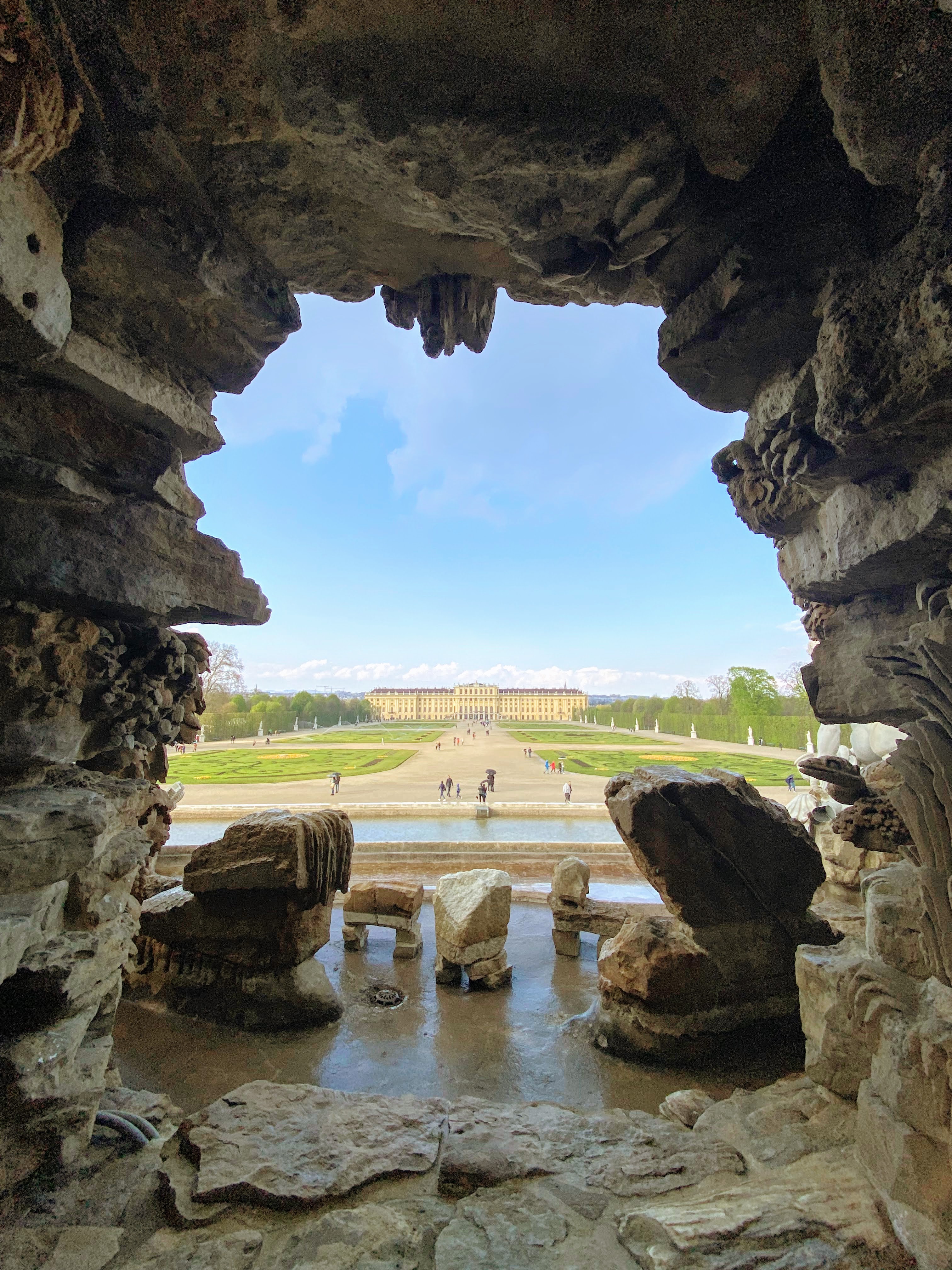
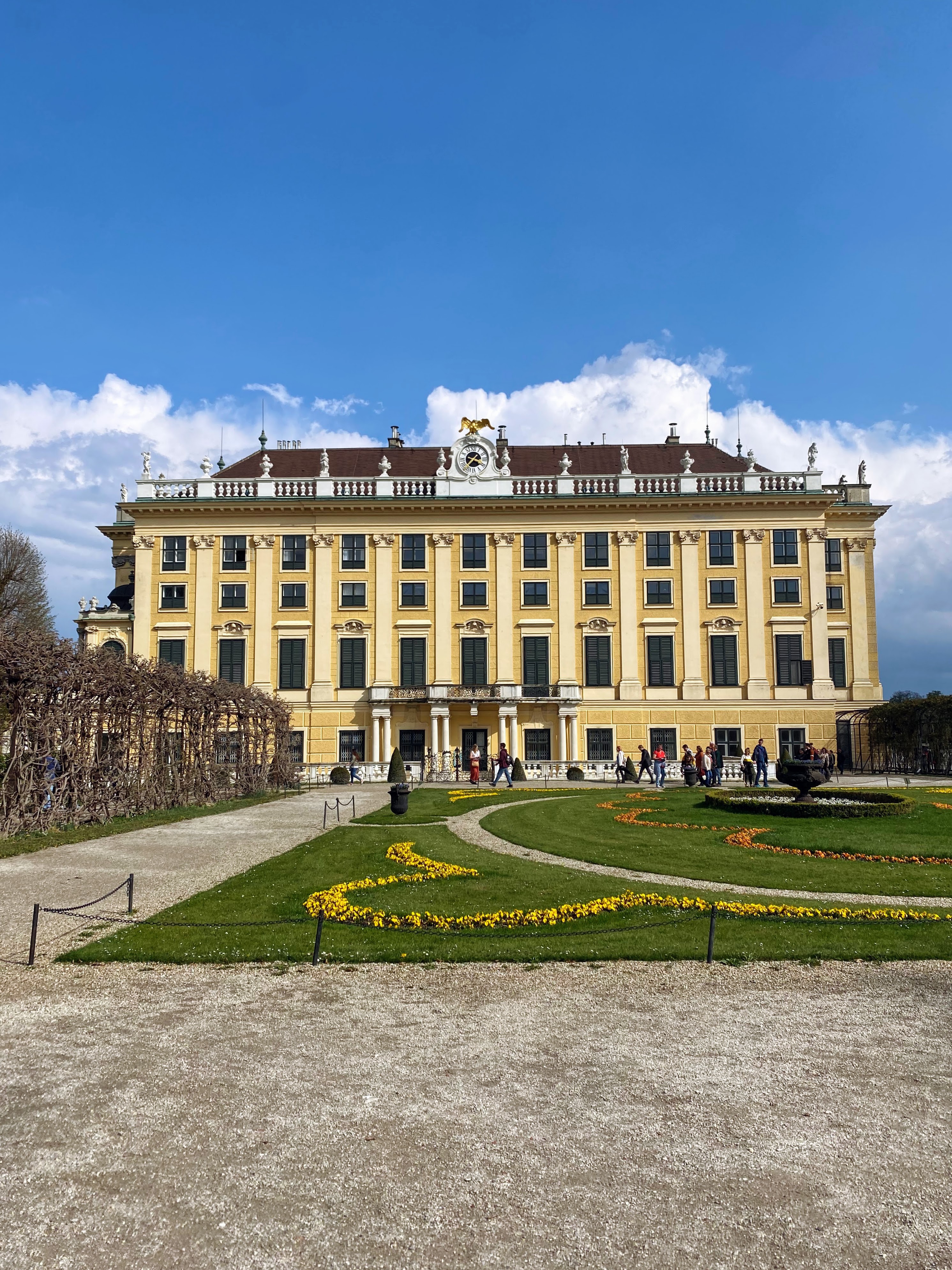
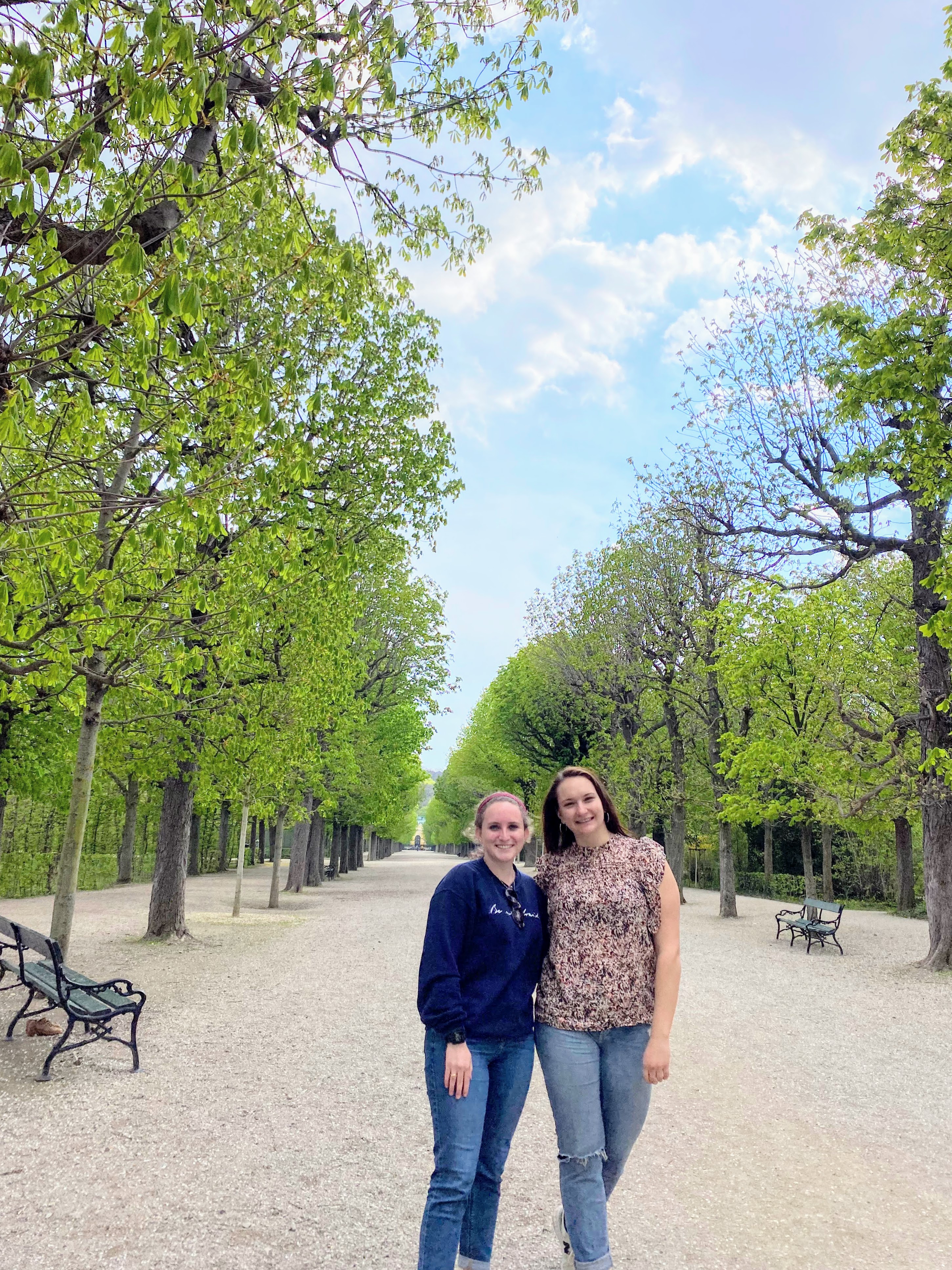
In the afternoon, we took a metro to the Schönbrunn Palace to peruse the public gardens, hike up to the Gloriette, and attend an English Good Friday service in the palace chapel. It was one of those rainy days where half the sky is dark and grey, and the other half is clear and sunny. Thankfully, we stayed dry from the rain and enjoyed the peaceful gardens. After a beautiful Good Friday service, we took the metro back to the hostel and planned our pastry tour for Saturday.
 kira vesta
4 thoughts on “Vienna”