The more I travel, the more I seek the stories and significance of the places I visit. I studied World History as a sophomore in high school, and sometimes I remember things I learned in class when I travel. I’ll share some of the history I enjoyed learning throughout our time in Holland.
The first thing I researched before arriving in Amsterdam is the difference between Holland and the Netherlands. The Kingdom of the Netherlands consists of four countries: the Netherlands, Aruba, Curaçao, and Sint Maarten. Out of the twelve provinces in the Netherlands, Holland is the most well-known and it is divided into a northern and a southern region. Amsterdam and Haarlem are in North Holland and Lisse (where the Keukenhof flower garden is located) is in South Holland. People from Holland refer to themselves as Hollanders, like how people from Texas refer to themselves as Texans and not Americans. 😊
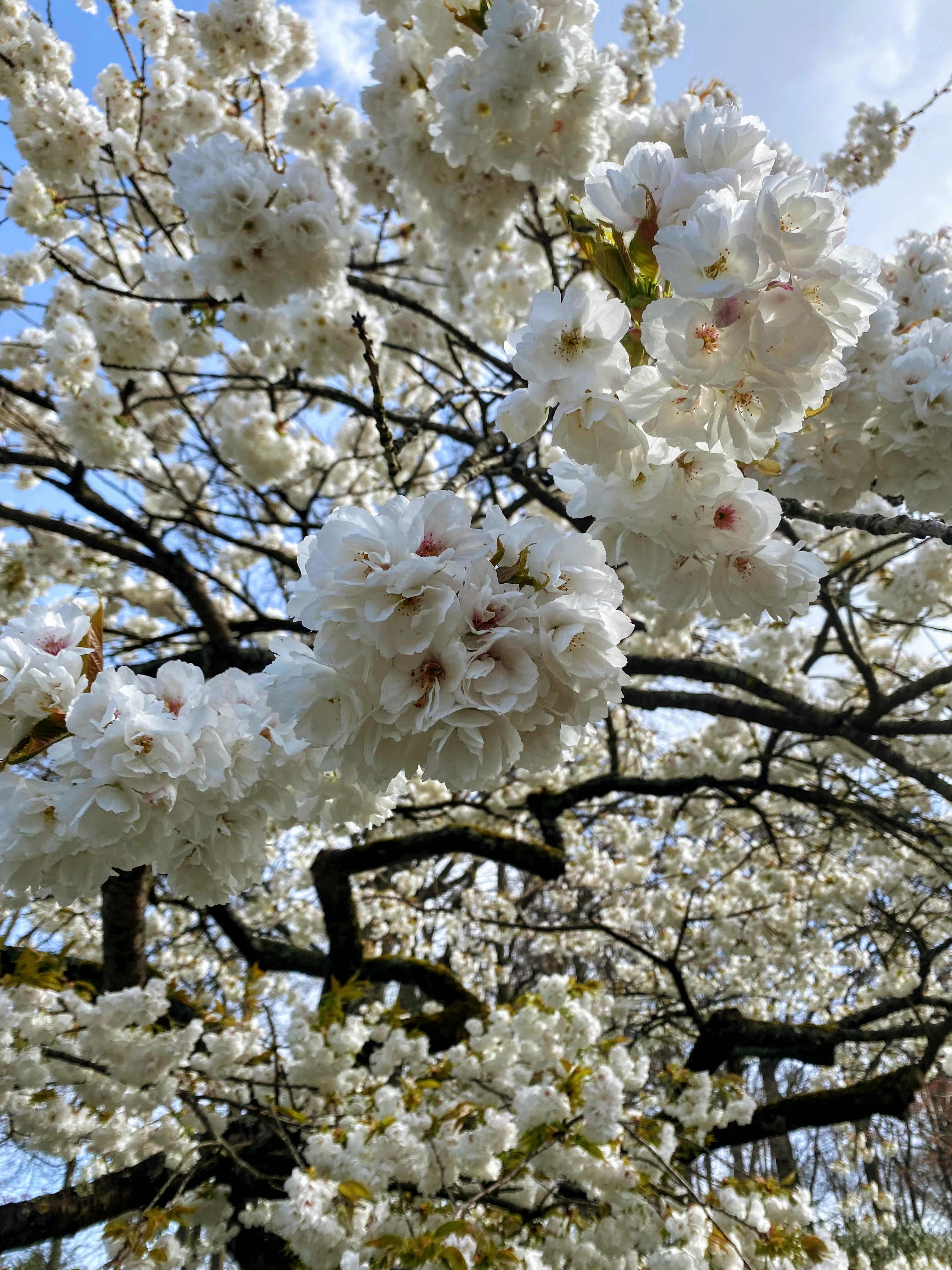
I traveled to the Netherlands with a friend from church and her roommate. Theresa, Abigail, and I had a blast in the Netherlands and I’m grateful we traveled together! Stepping off the airplane late Thursday night, we were immediately greeted by sideways snowfall. This wasn’t quite the weather we were anticipating… I guess the Netherlands pulled an April Fool’s joke on us.
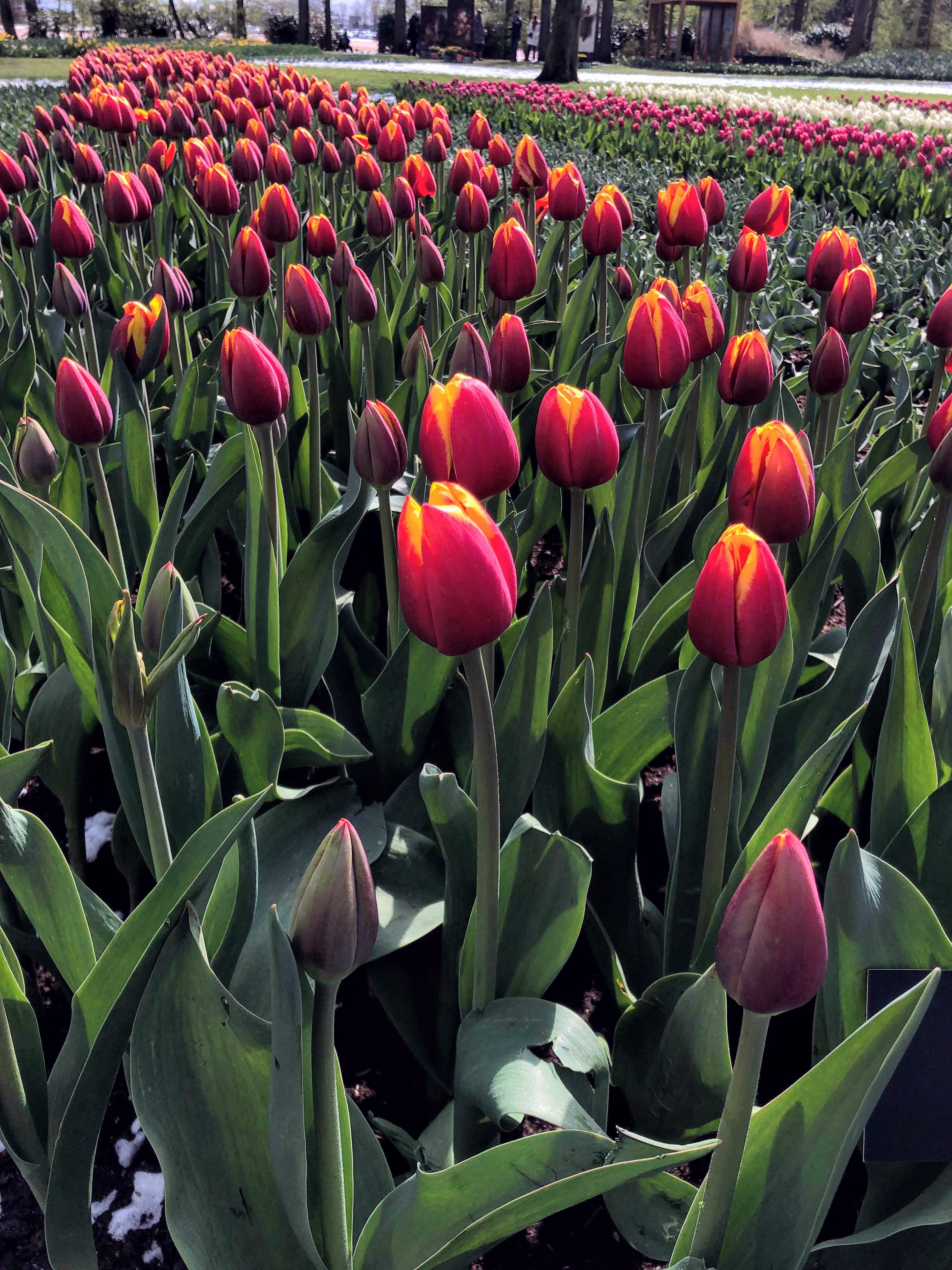
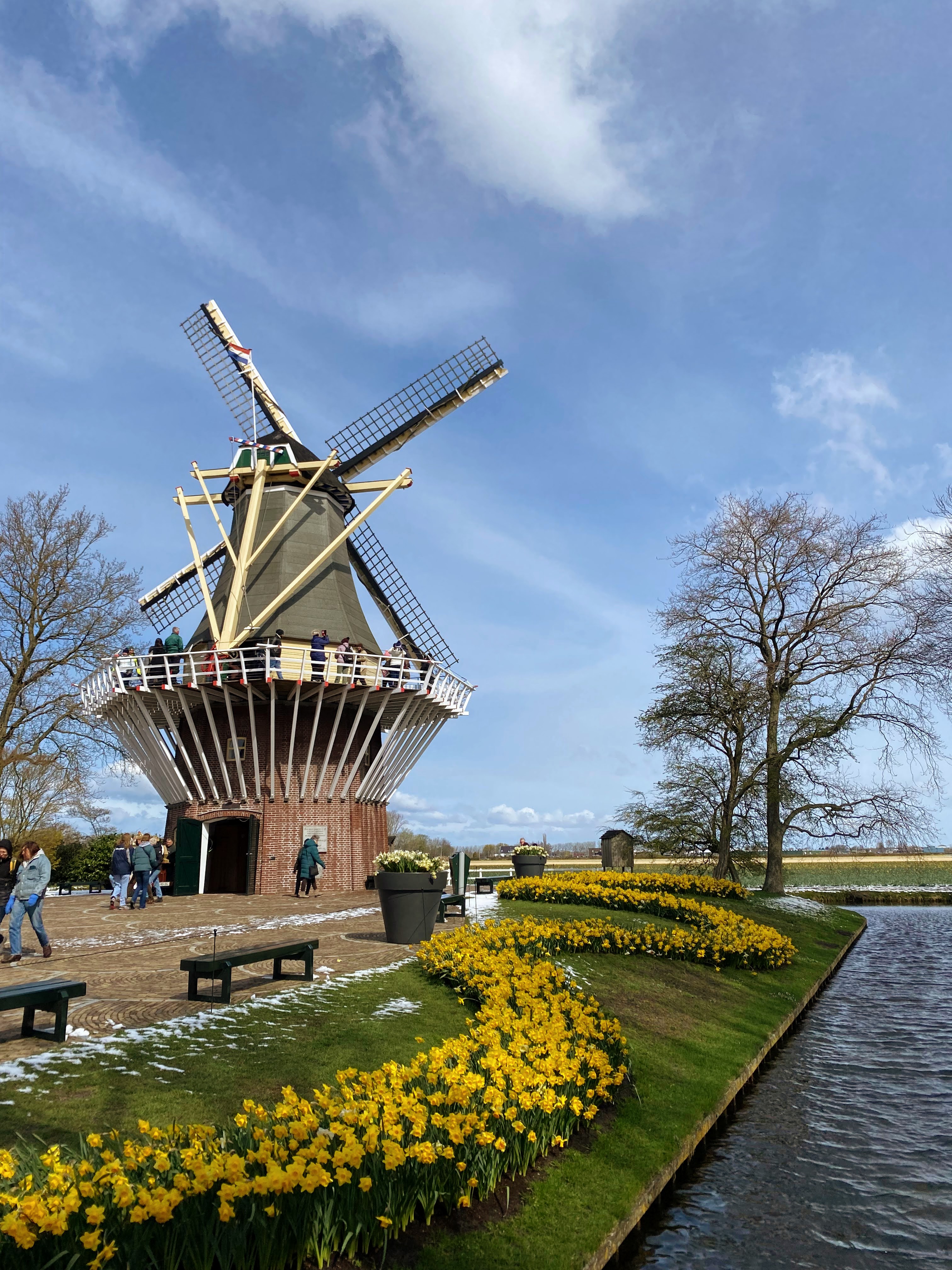
Friday morning, we went to the Keukenhof Gardens by bus. Because we visited early in the tulip season and of the snowy weather, most of the flowers were closed. Thankfully, the weather cleared up when we strolled through the gardens, and it so was nice to walk in the early spring sunshine.
I remember learning about Dutch Tulip Mania in high school, and I researched more. Tulips originate in Central Asia, and the name “tulip” is thought to be derived from a Persian word for turban. The Ottoman Empire grew tulips for many years and brought them to Western Europe at the end of the 16th century. Because tulips were rare and envied by the wealthiest, they were used as currency: In 1633, properties were sold for handfuls of bulbs. Fun fact: Since 1986, the Netherlands sends flowers to St Peter’s Basilica in Rome every Easter.

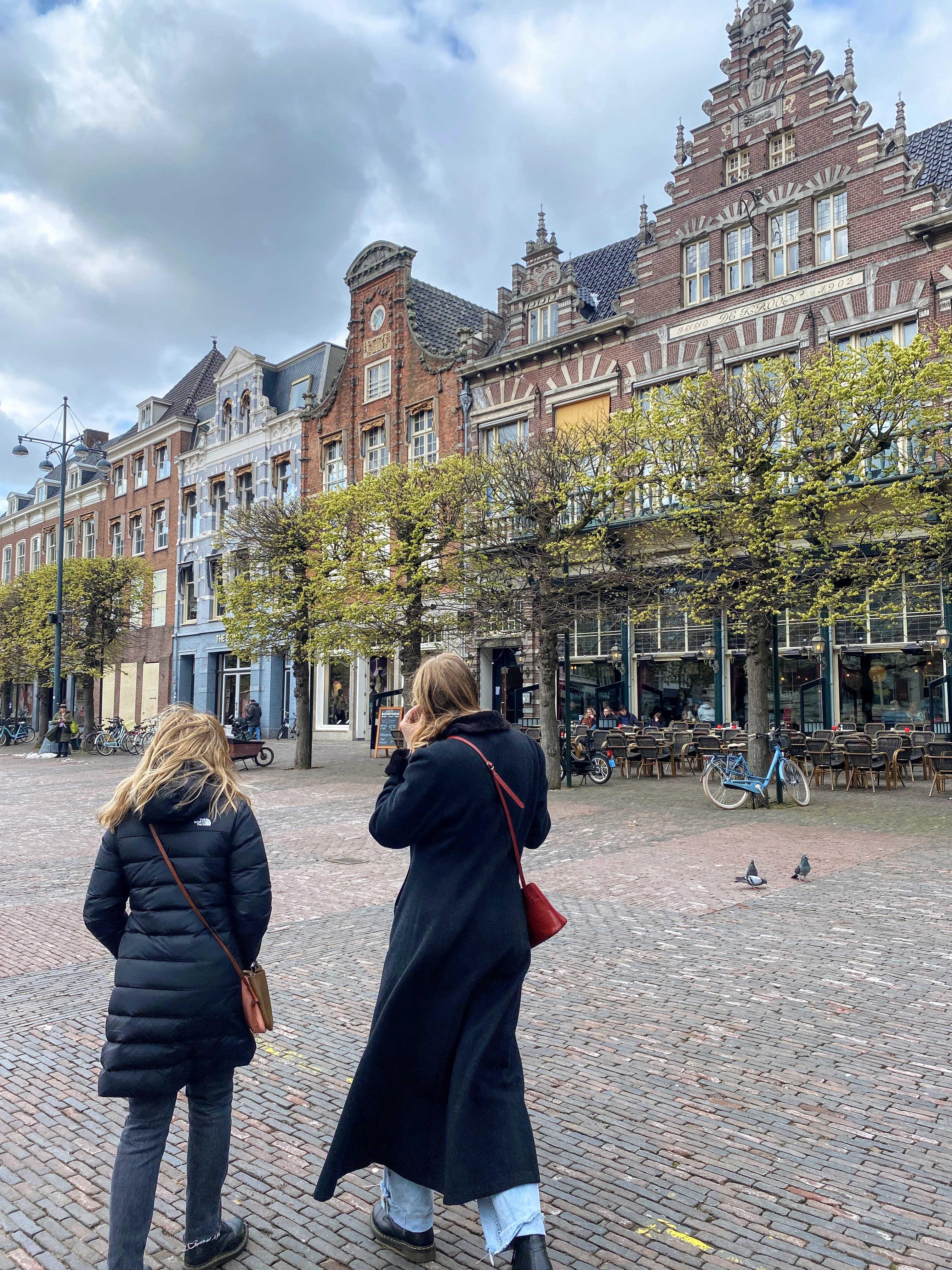
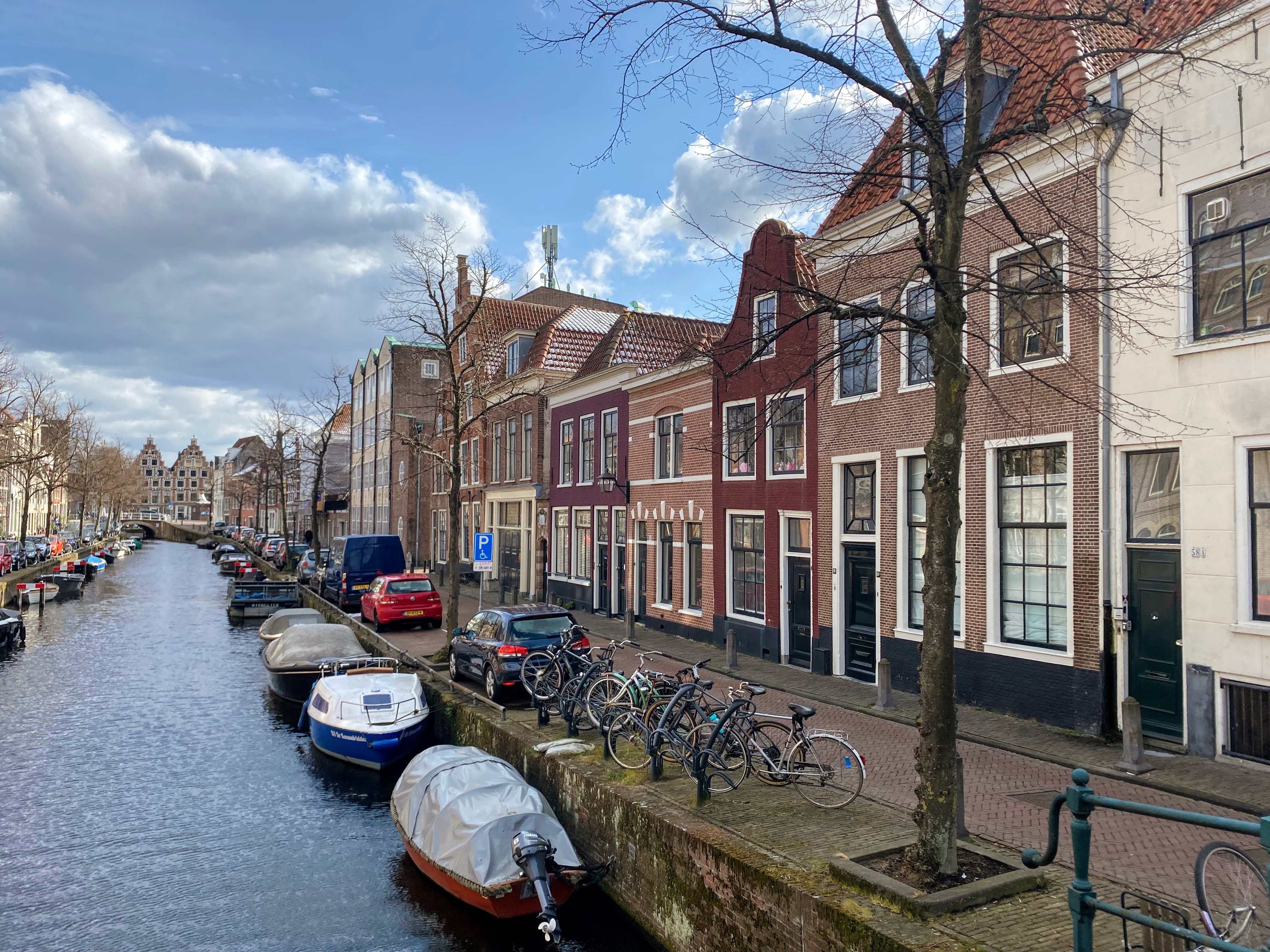
After walking through the gardens, we spent the afternoon in the town center of Haarlem. Haarlem earned city rights from Count Willem II in 1245, which was before Amsterdam or Rotterdam became official cities. It was fun to imagine what Grote Markt, the town square, would be like in the 13th century with town festivals, knighting ceremonies, and sword fights.
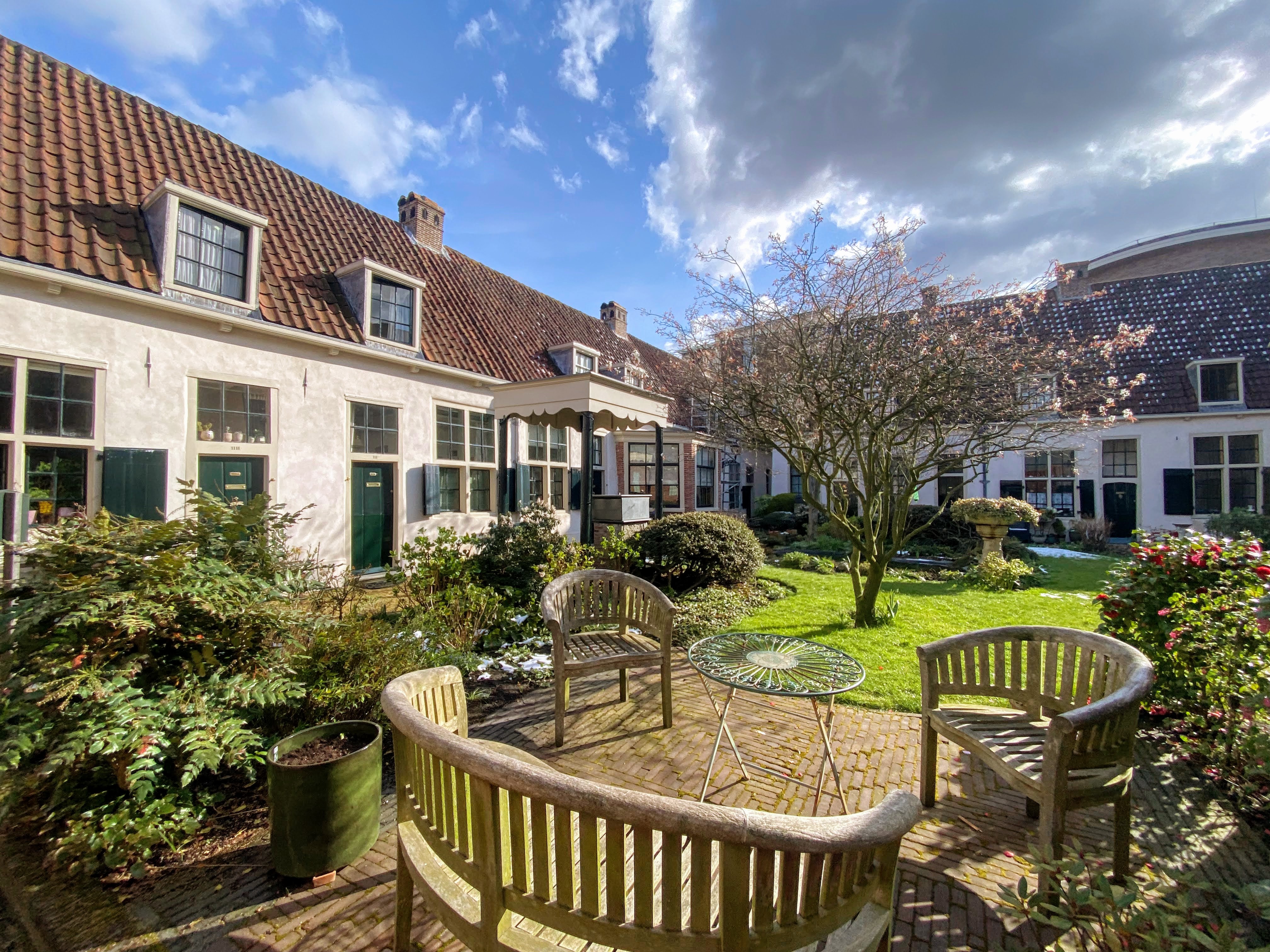
We also looked for hofjes, which are Dutch medieval homes around a central courtyard. We visited Hofje van Bakenes, the oldest courtyard in the Netherlands, that was intended for single, older women to live in the community. The courtyards are still inhabited today and finding our way to the courtyard was difficult. It was fun walking around Haarlem looking for the hofje, but seeing the courtyard was not as exciting as I anticipated.
In the evening, we went to Jopenkerk for some Dutch beer to end the day. By the 14th century, Haarlem became the largest brewing city in the Netherlands, but the last Haarlem brewery closed in 1916. The Haarlem Beer Society Foundation worked to bring back Haarlem beer and found recipes from the 15th century in the city’s archives. In 2010, the church Jakobskerk was renovated into a brewery for these historic Dutch beers. The church brewery is named Jopenkerk– In Dutch, 112-liter beer barrels are called Jopen and the word for “church” is kerk.
Things that I stood out to me during my stay in the Netherlands:
- The landscape is very flat- this must be why biking is so popular in this country.
- People in Haarlem keep their curtains open in their homes, and we couldn’t help but glance inside. These homes look exactly like the Copenhagen Imports furniture catalogs.
- The Dutch love their cheese! There are many places to sample and buy (or not buy) cheese. Gouda, Netherlands is an hour south of Amsterdam, and I’d like to visit if I return to the Netherlands.
- There were many cats in Haarlem strolling the streets or people watching from windowsills.
- I am not familiar with the dialects and accents of the Dutch language, but the Dutch I heard in Haarlem sounded different than what I heard in Bruges and in Amsterdam. For example, the “ar” sound in “Haarlem” sounds like how people from St. Louis say the number forty- “farty.”
- I noticed the Dutch word for “shop” is “winkel.” My last name is Winkeler, and I wonder if my ancestors are Dutch on my dad’s side of the family. Maybe in the past, my family worked as shopkeepers.
- Bikes have the right of way in the Netherlands… I had many close calls crossing the street.
I’ll post the second half of our trip to the Netherlands later this week!
 kira vesta
2 thoughts on “Tulips and Haarlem”