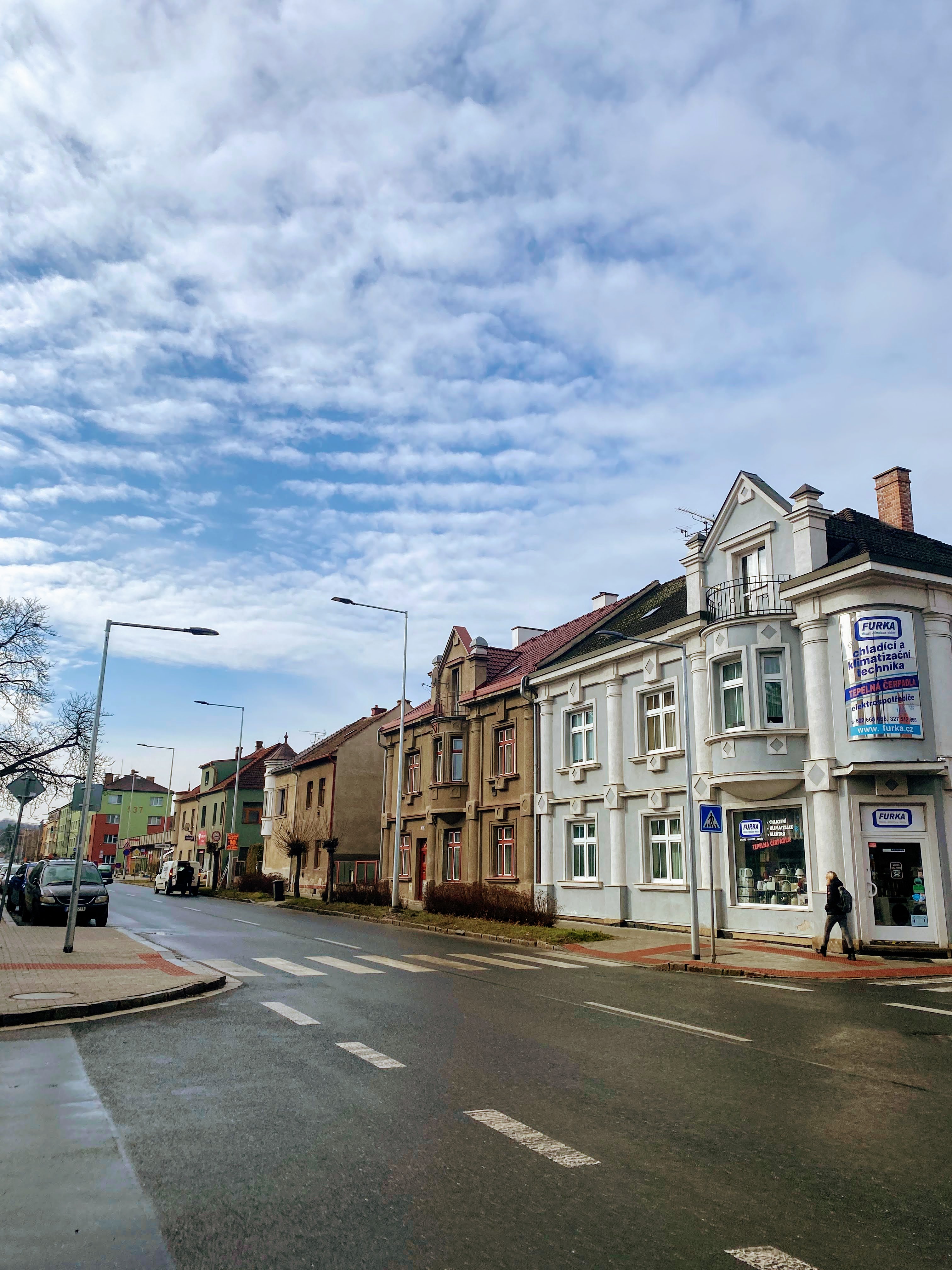
The best thing about studying in central Europe is the freedom to go on spontaneous day trips in the middle of the week when you don’t have classes.
A friend mentioned this beautiful, historic town an hour outside of Prague called Kutná Hora. We were watching the Super Bowl at the time (12:30am on Monday) and I decided right then and there that I would day trip the next day.
The history of the town is fascinating, and it is no wonder that it has been listed as a UNESCO World Heritage Site. The blog, Laidback Trip, was essential to my trip planning and this is what the blog says about the history of Kutná Hora:
“The history of Kutná Hora is connected with the founding of Sedlec Abbey in 1142 that was the first Cistercian Monastery in Bohemia. Even though the information about silver in the area was bubbling under the surface, it was not until the 13th century that Kutná Hora was finally put on the map. The real silver-mining fever had begun, and settlers from the neighboring countries the same as local people were moving to Kutná Hora. Thanks to the wealth generated by silver deposits, the town grew, and it became a political and economic center of Czech lands, competing even with Prague.
It must be said that these times were extremely chaotic until 1300 when King Wenceslaus II of Bohemia issued the new royal mining code “Ius regale montanorum” that specified all conditions for operating the mines. Basically, from this point, all the silver belonged to the king. In the 14th century, Kutná Hora started to produce Prague Groschen which was the coin common throughout Medieval Central Europe, and the town became a financial center of the lands.
Kutná Hora then saw Hussite wars, fires, floods, but the final decline of Kutná Hora came in the 16th century when the production of silver coins was terminated, and the city lost its privileges.
Fortunately, during the times of expansion, many architectural gems and houses of wealthy inhabitants were built. The architecture and spirit of local people survived even the impoverished and challenging times, and today we can admire the top attractions both above and under the ground.”
Lucie and Martin, from laidbacktrip.com
Tuesday began with waking up 45 minutes after my alarm. Thankfully, there are trains from Prague to Kutná Hora every two hours, so I bought another ticket and made the train. (The price for a single student ticket was 30 CZK, a little more than $1). I stayed in Kutná Hora for eight hours, the perfect length for a solo day trip. I’ll share my favorite photos and a fun fact I learned from reading the tourist pamphlets, the Laidback Trip, and Wikipedia.
From the main train station, I walked 15 minutes to the Sedlec Ossuary (Kostnice Sedlec). According to a legend, in 1278, a visiting abbot sprinkled soil from Jerusalem on the cemetery. It is considered the oldest “Holy Field” in central Europe.
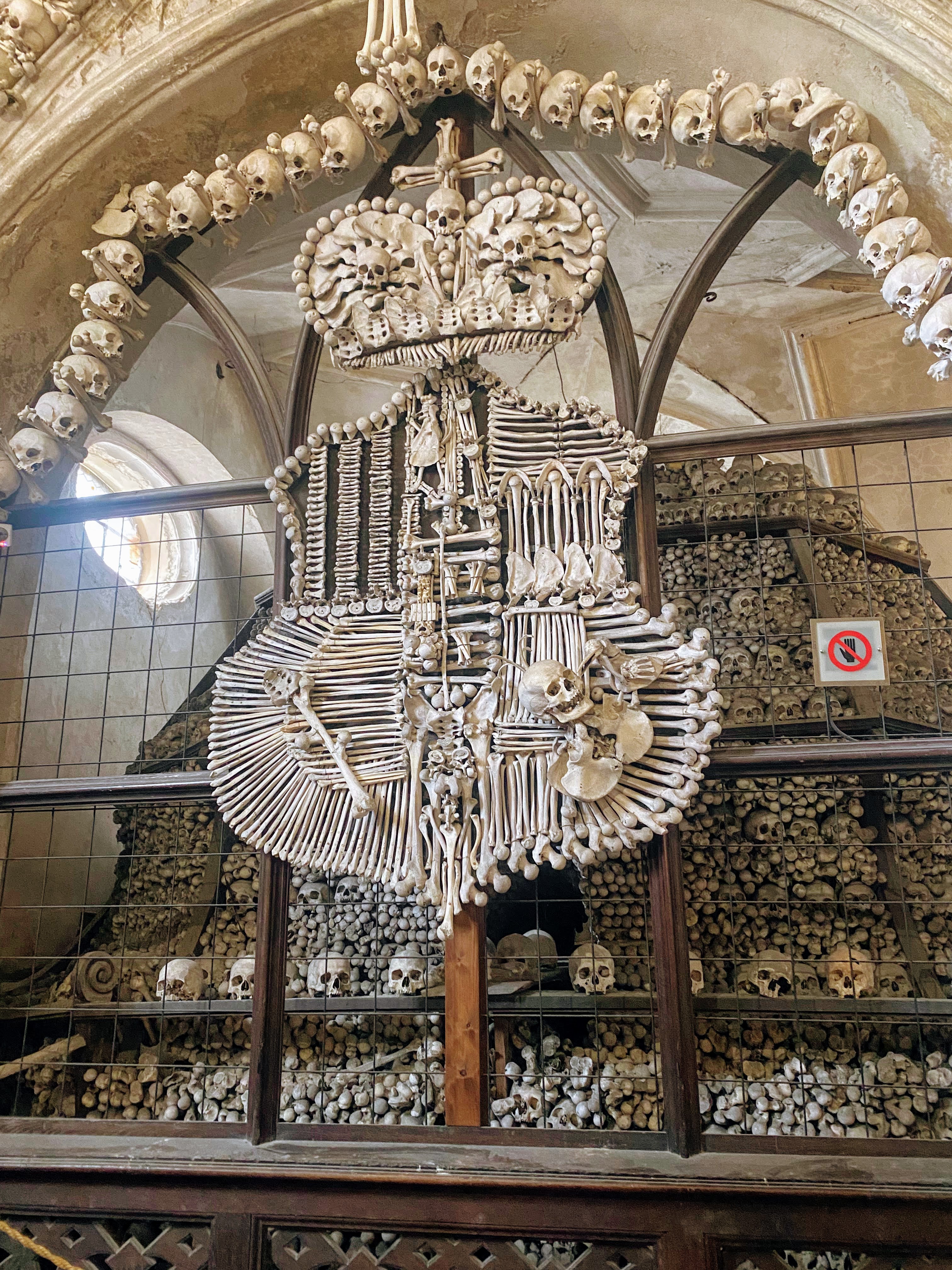
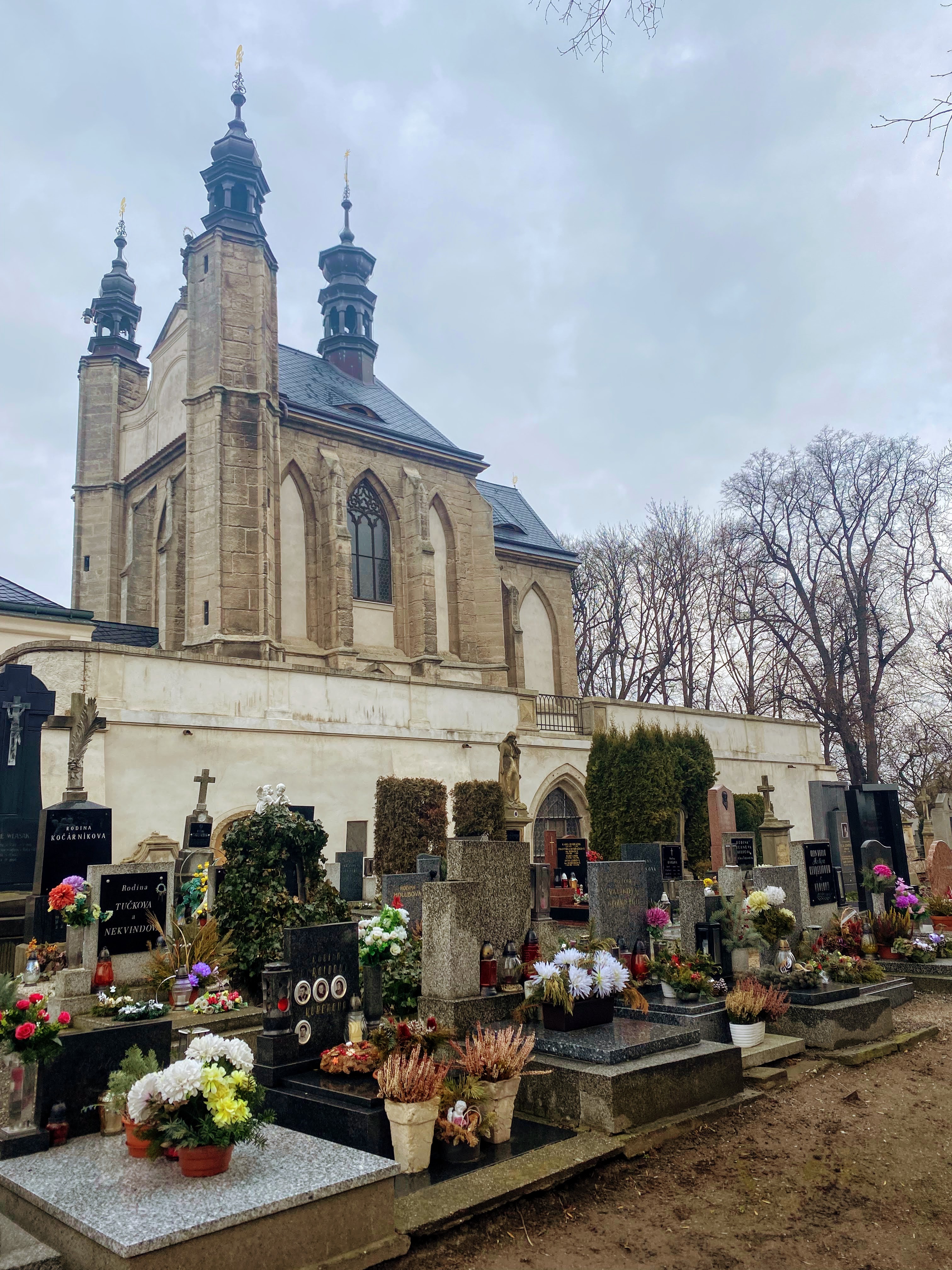
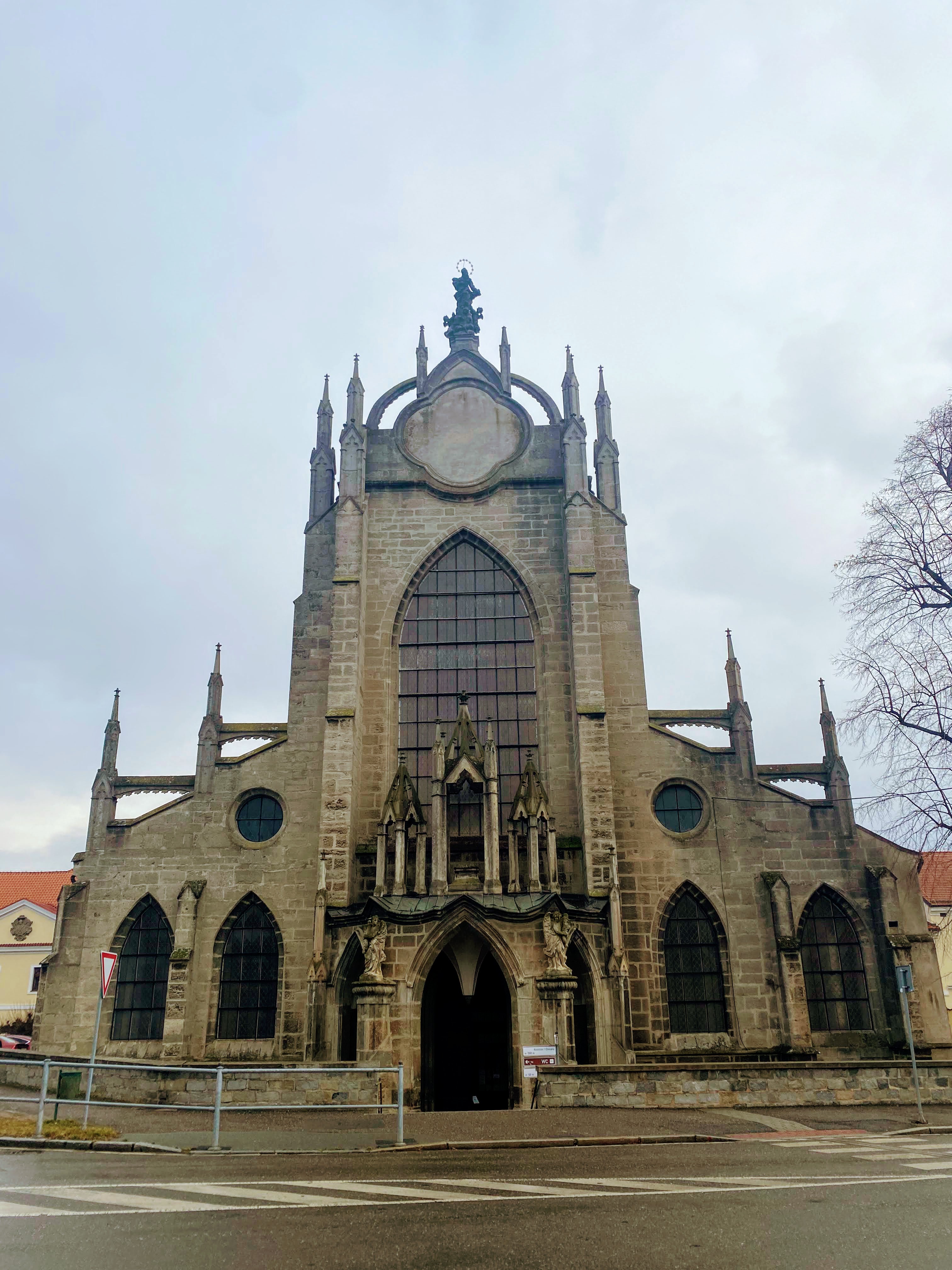
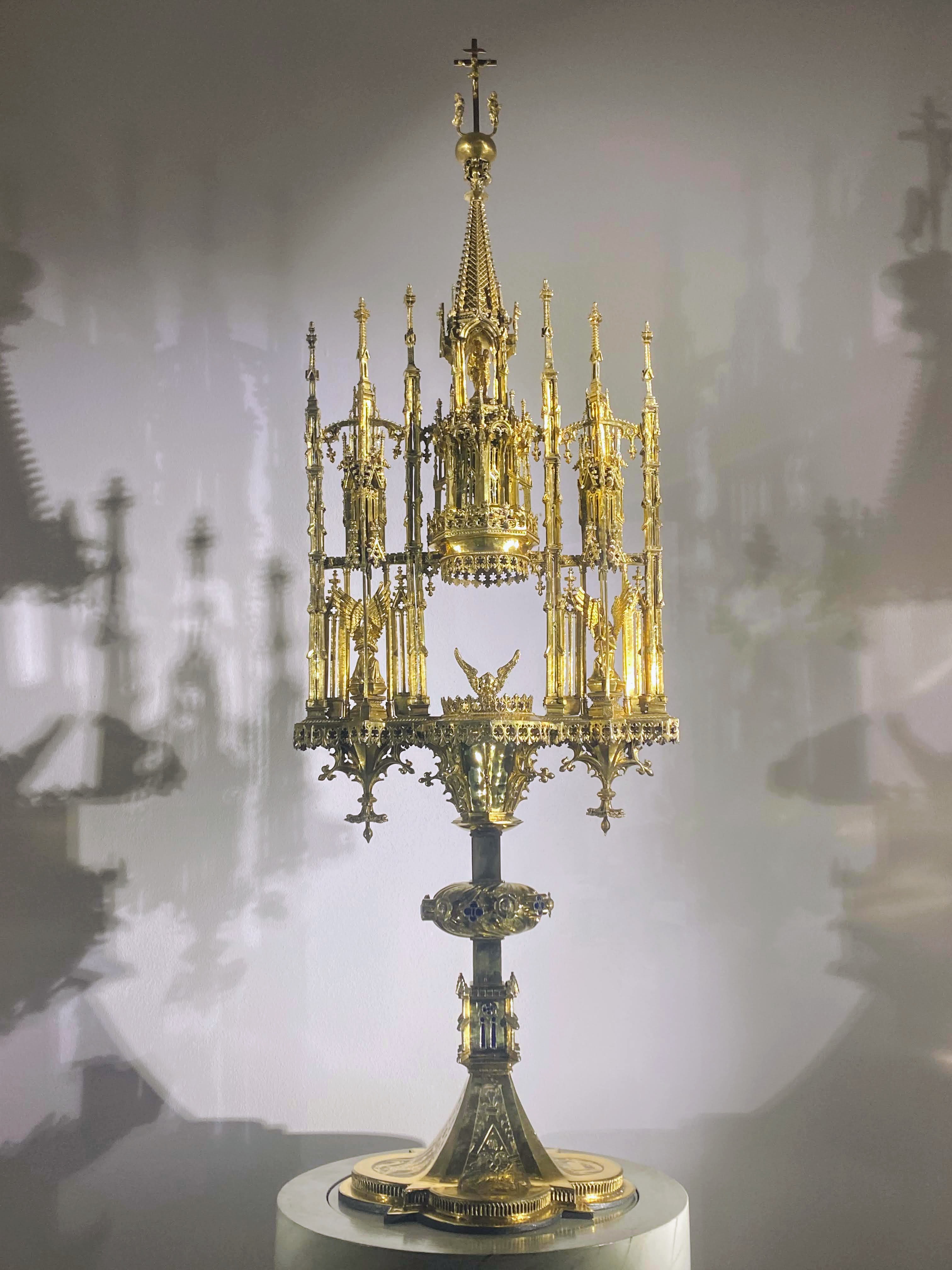
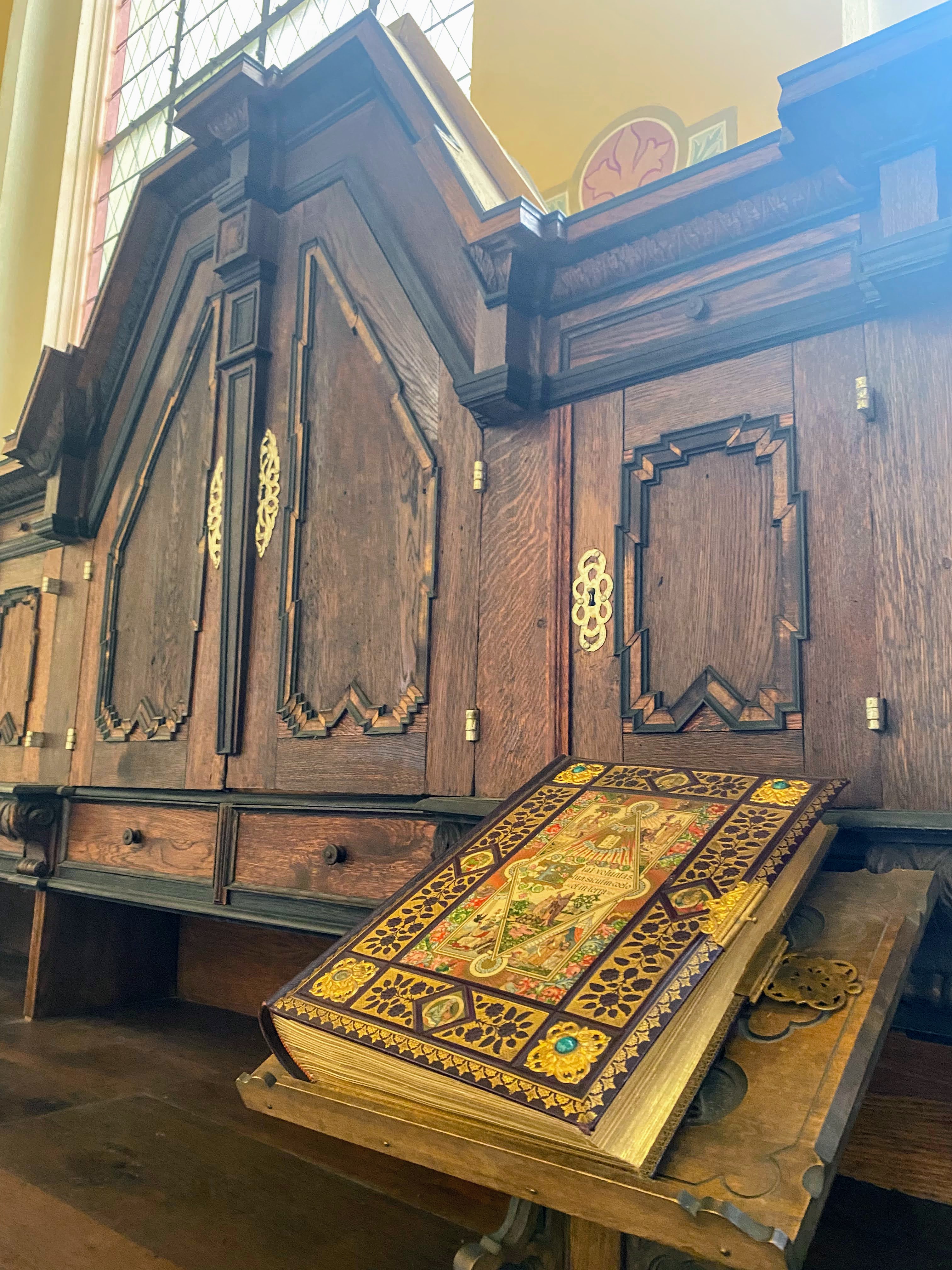
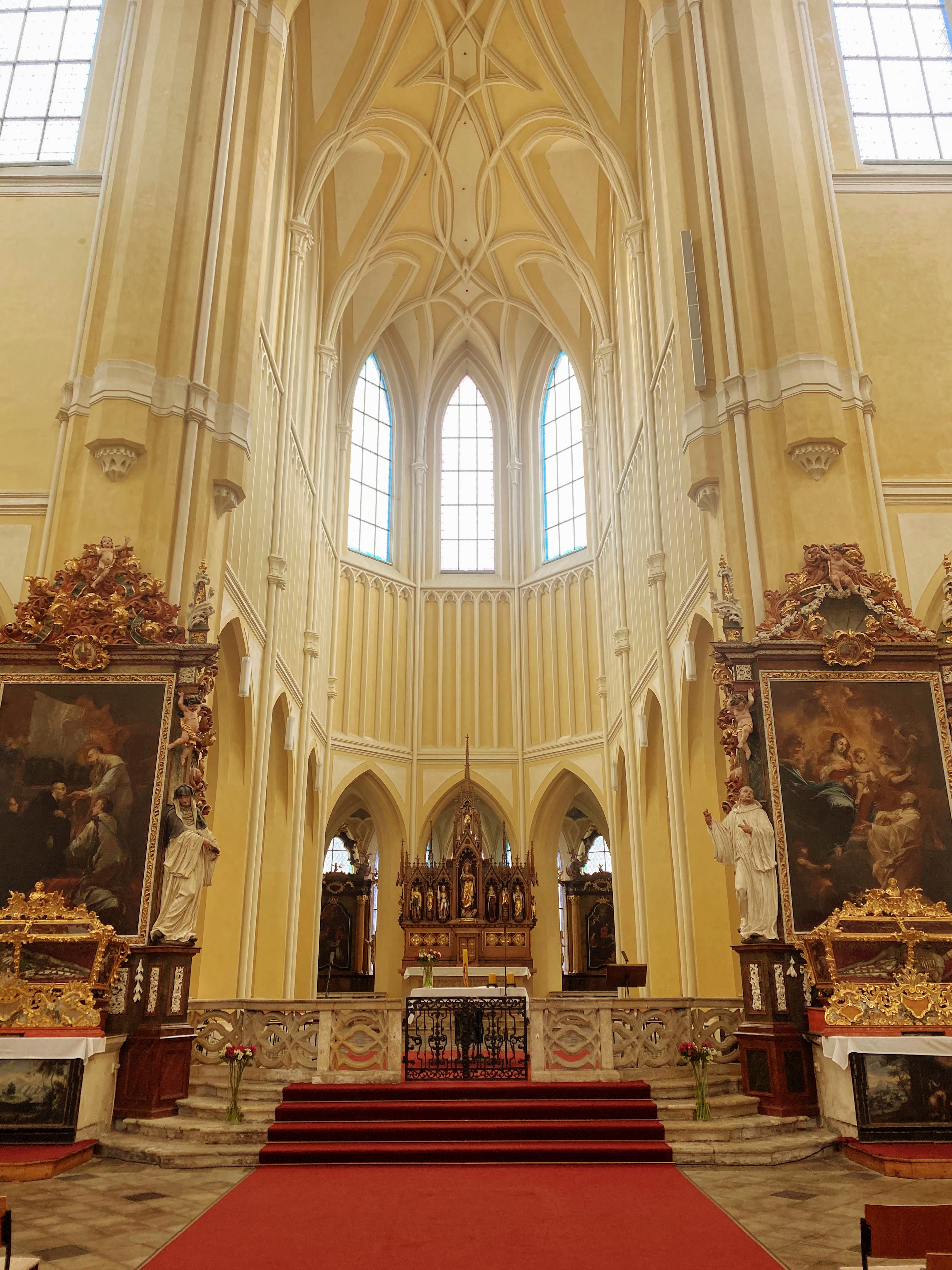
From the Sedlec Ossuary, I walked across the street to the Cathedral of Our Lady of the Assumption and St. John the Baptist. The original construction was completed in 1320 during the Cistercian growth and economic boom from the silver mining of Cistercian land. The cathedral and Cistercian monastery were destroyed during the Hussite Wars and rebuilt after 274 years by the architect, Jan Blažej Santini-Aichel, who also designed the bone structures in the ossuary. (Click on the images to view in full screen).
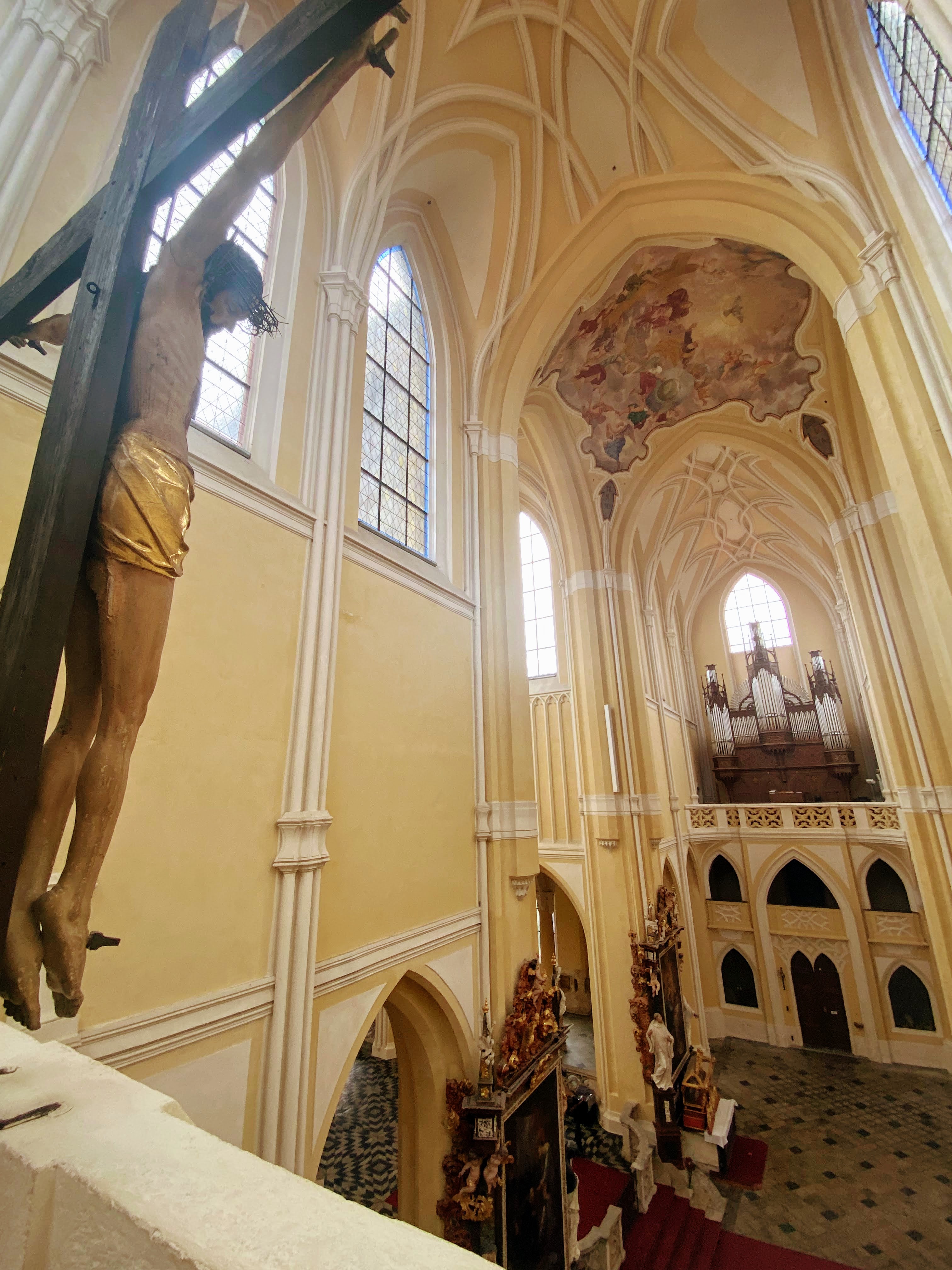
I then walked 40 minutes to St. Barbara Church (Chram sv. Barbory). Next to St. Barbara’s is Jesuit College (Jezuitská kolej) with the GASK museum, which I did not visit. Construction of the St. Barbara’s began in 1388 and took over 500 years to complete. It is interesting to see art pieces from different centuries all in one place. For example, most of the stained glass was donated in the 19th century and the ceilings were painted in the 16th century.
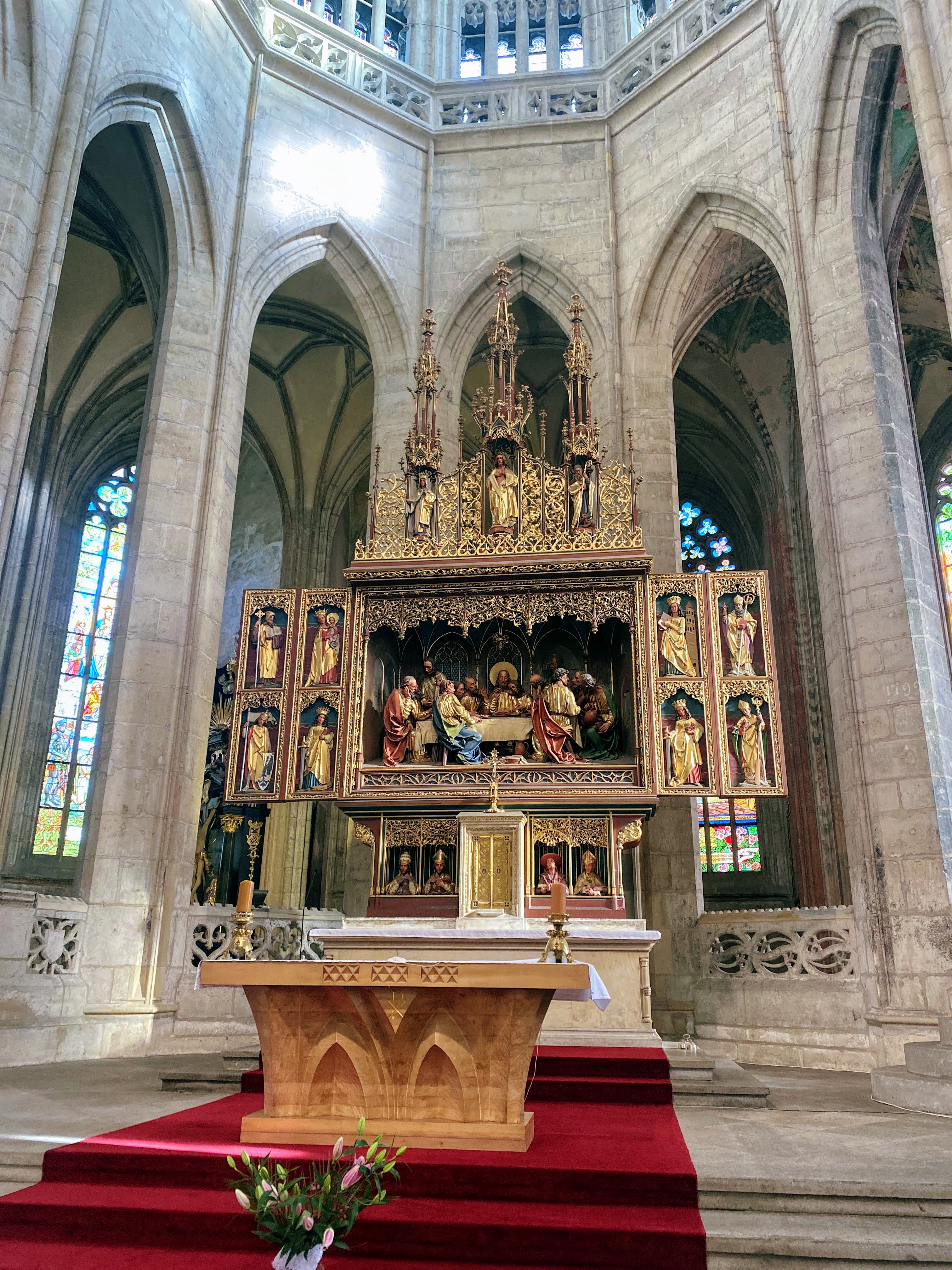
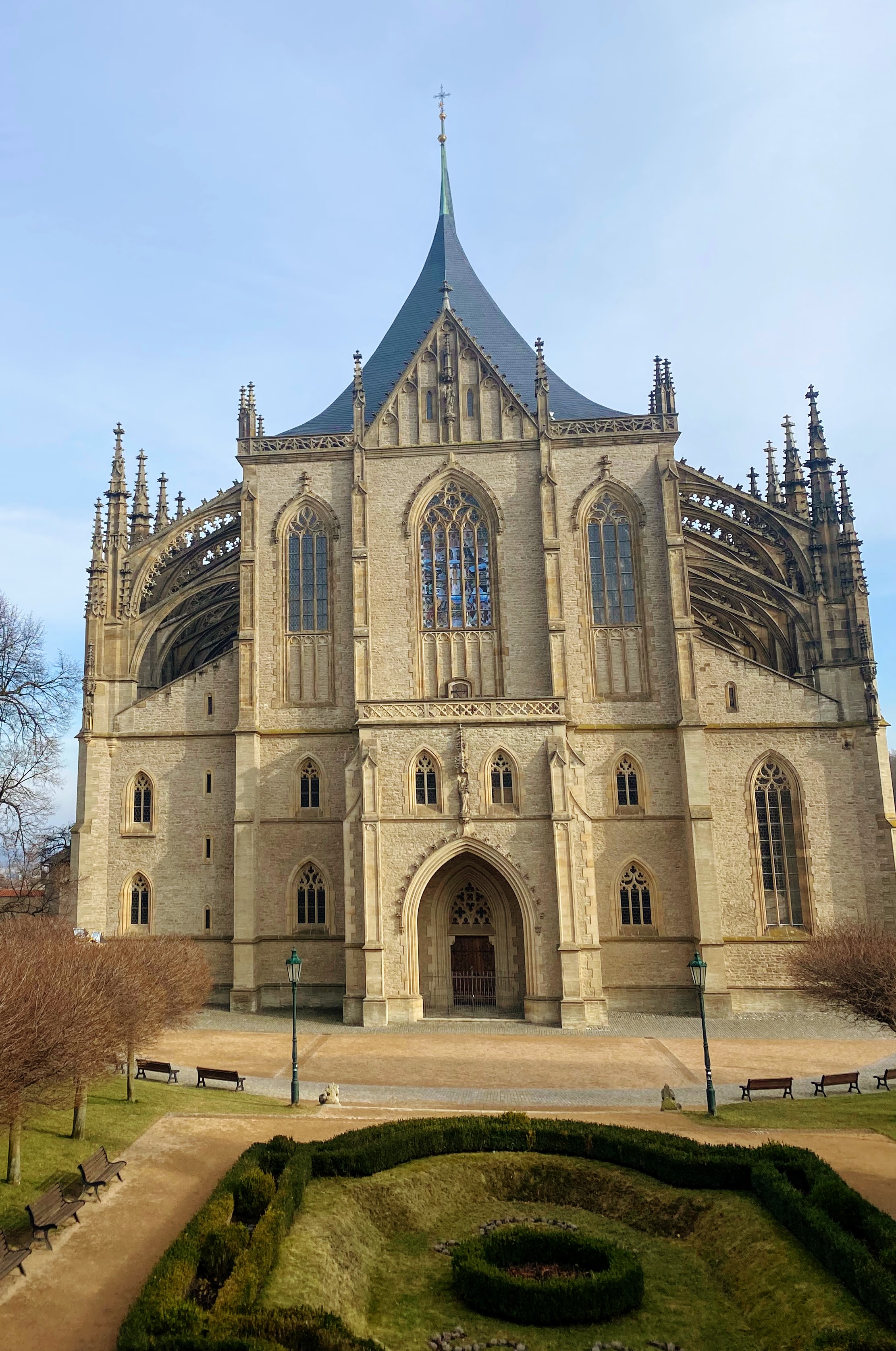
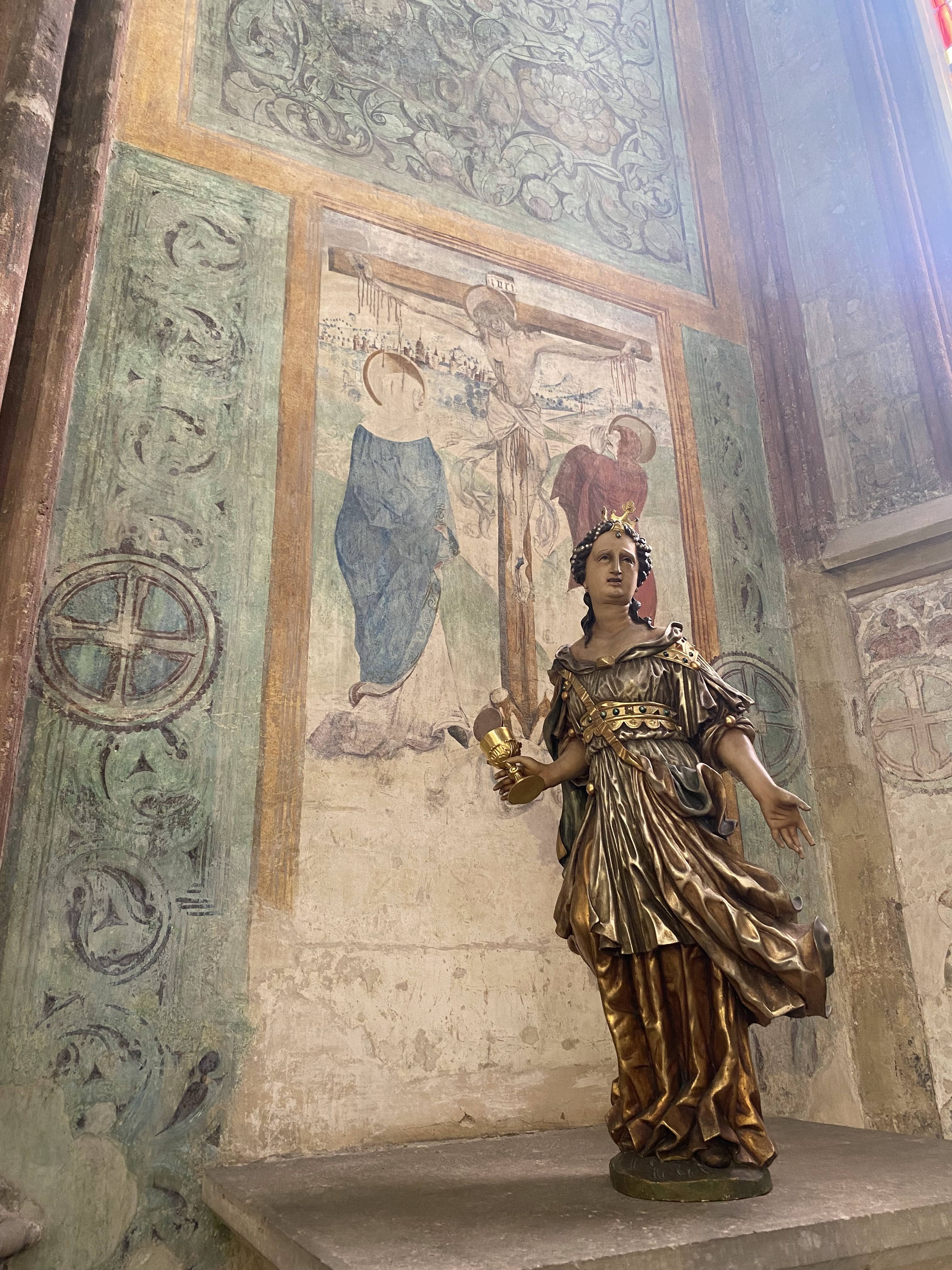
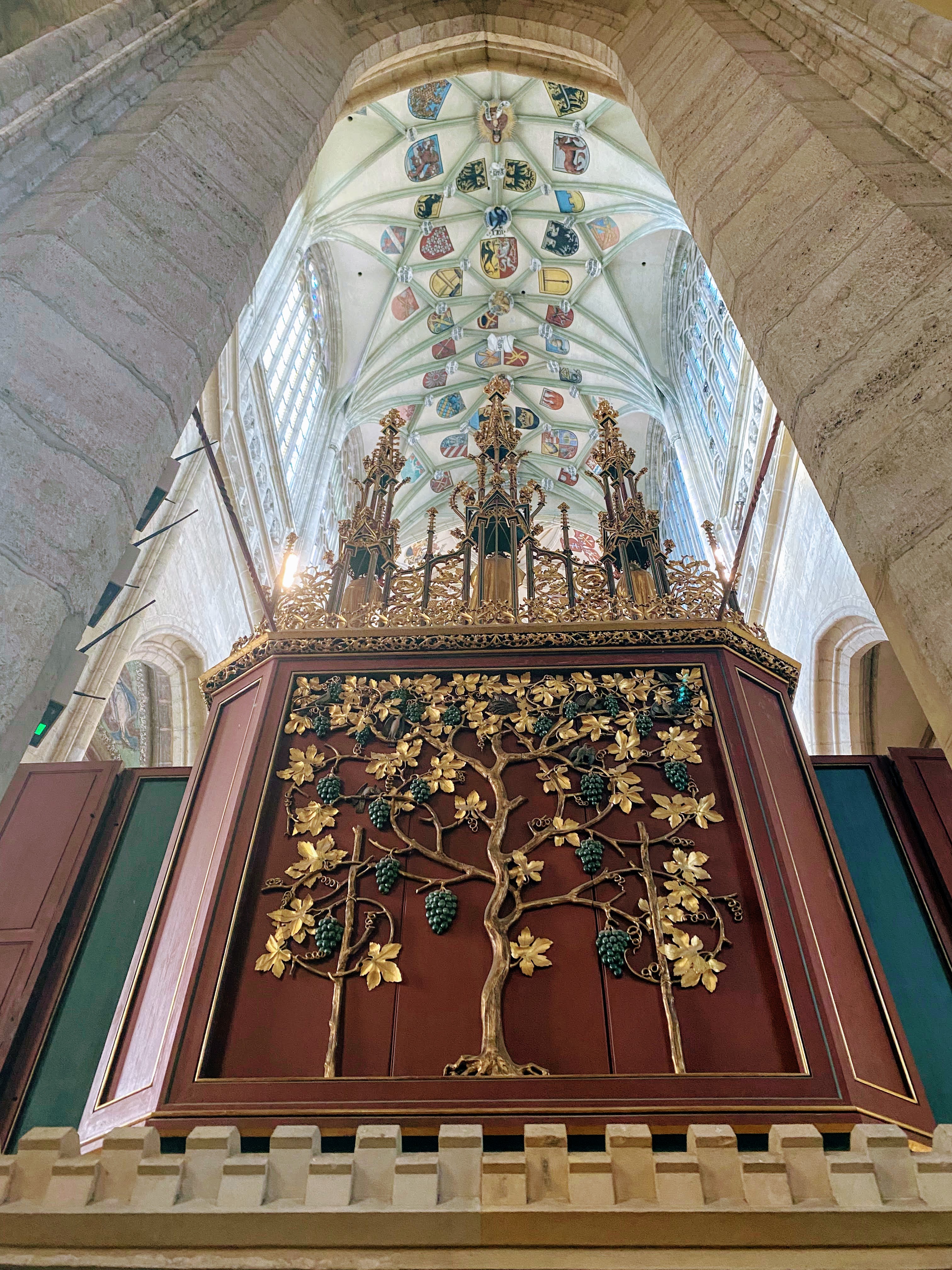
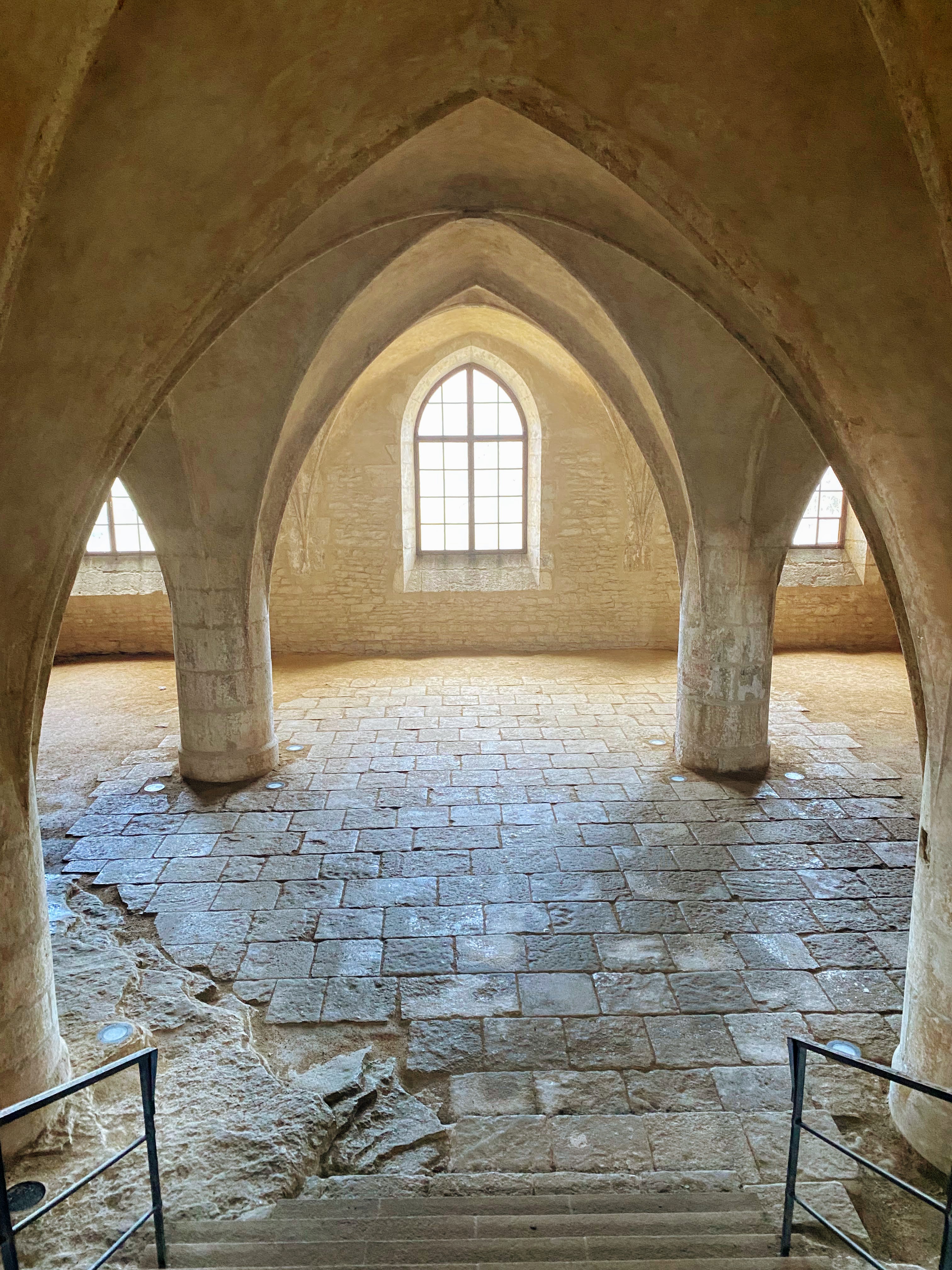
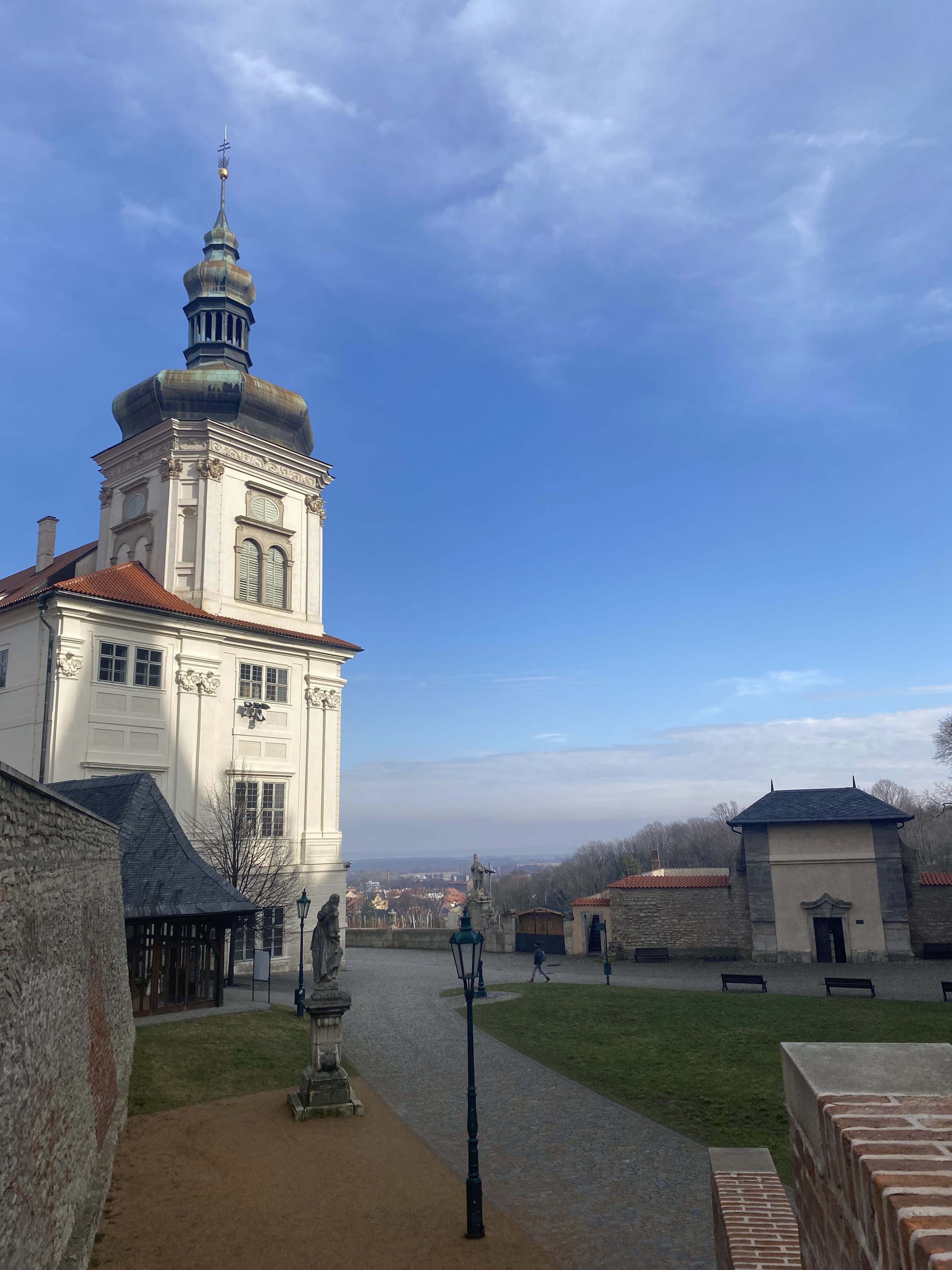
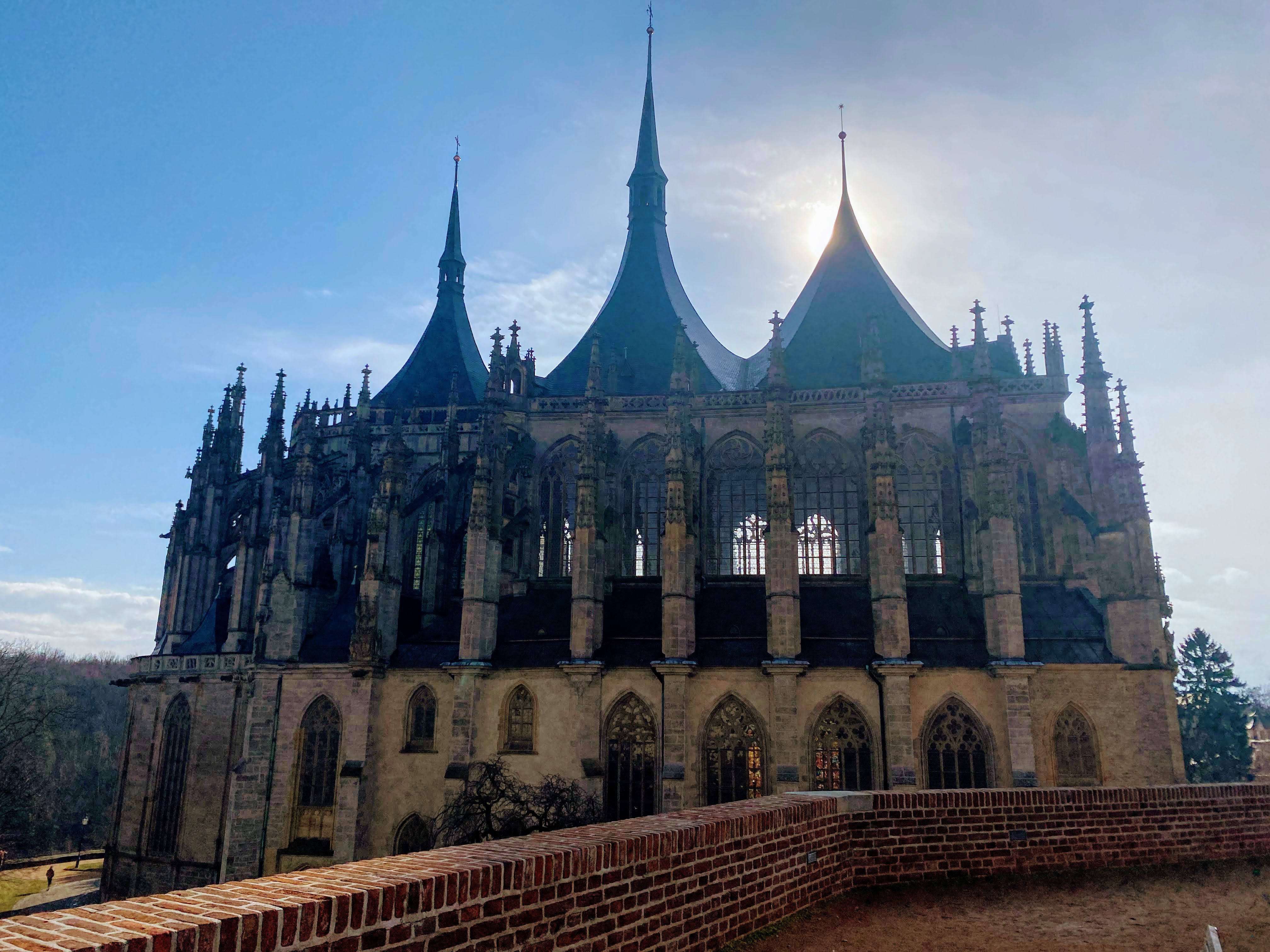
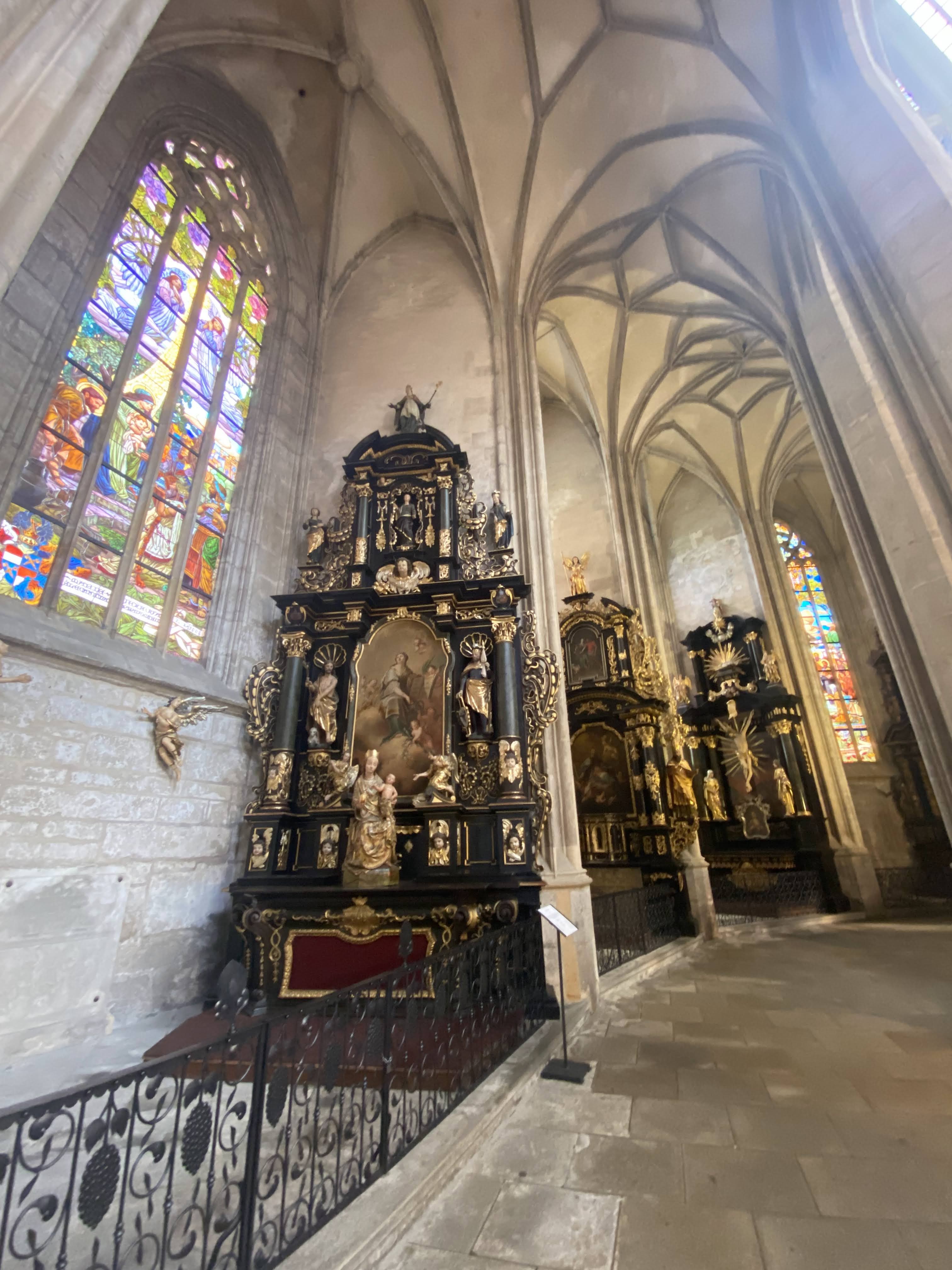
The Italian Court (Vlašský dvůr) was the royal mint and royal palace for many Bohemian kings (most of whom are named Wenceslas). This place produced the coin “Prague groschen” because of the silver mining in the area.
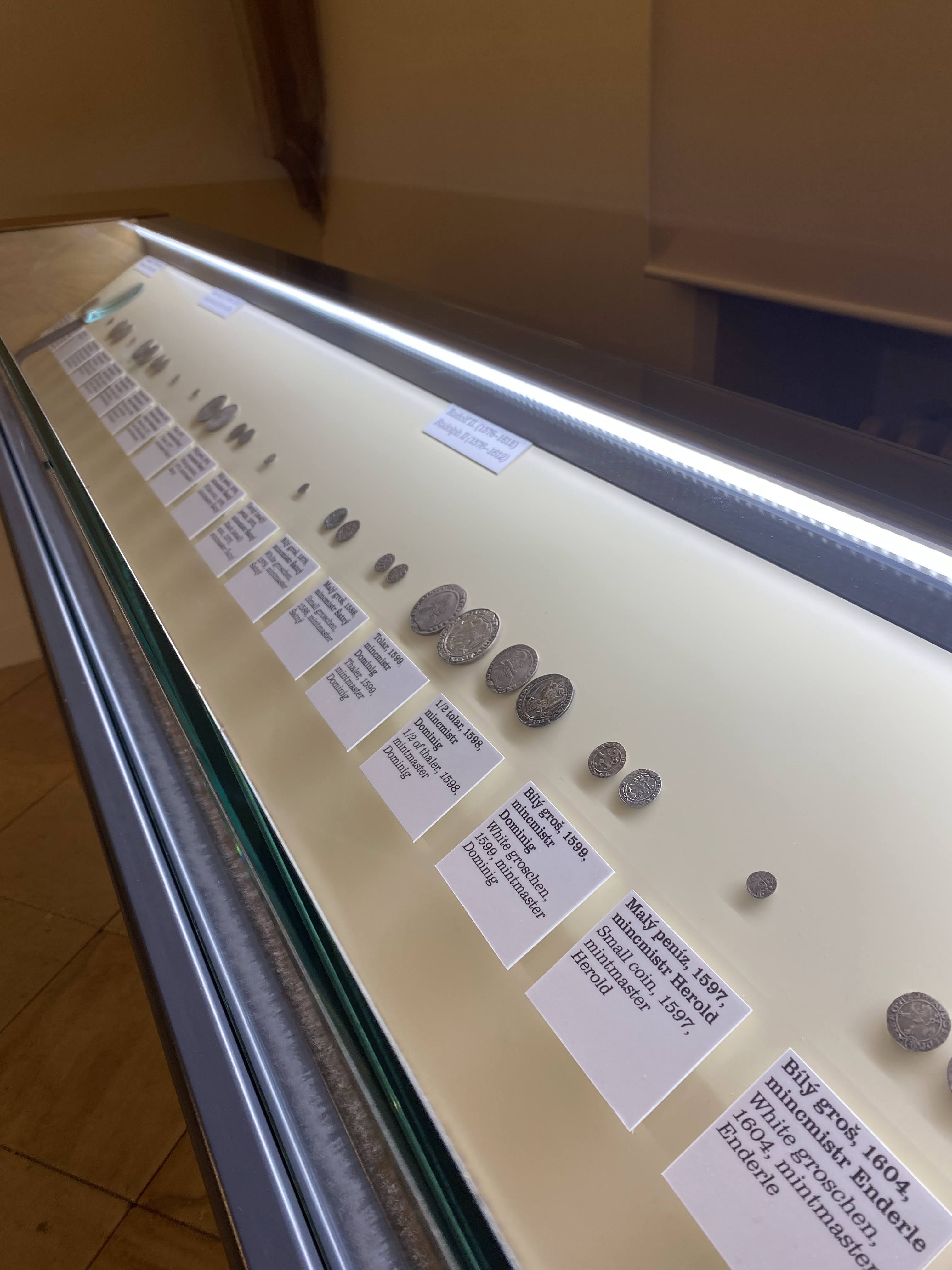
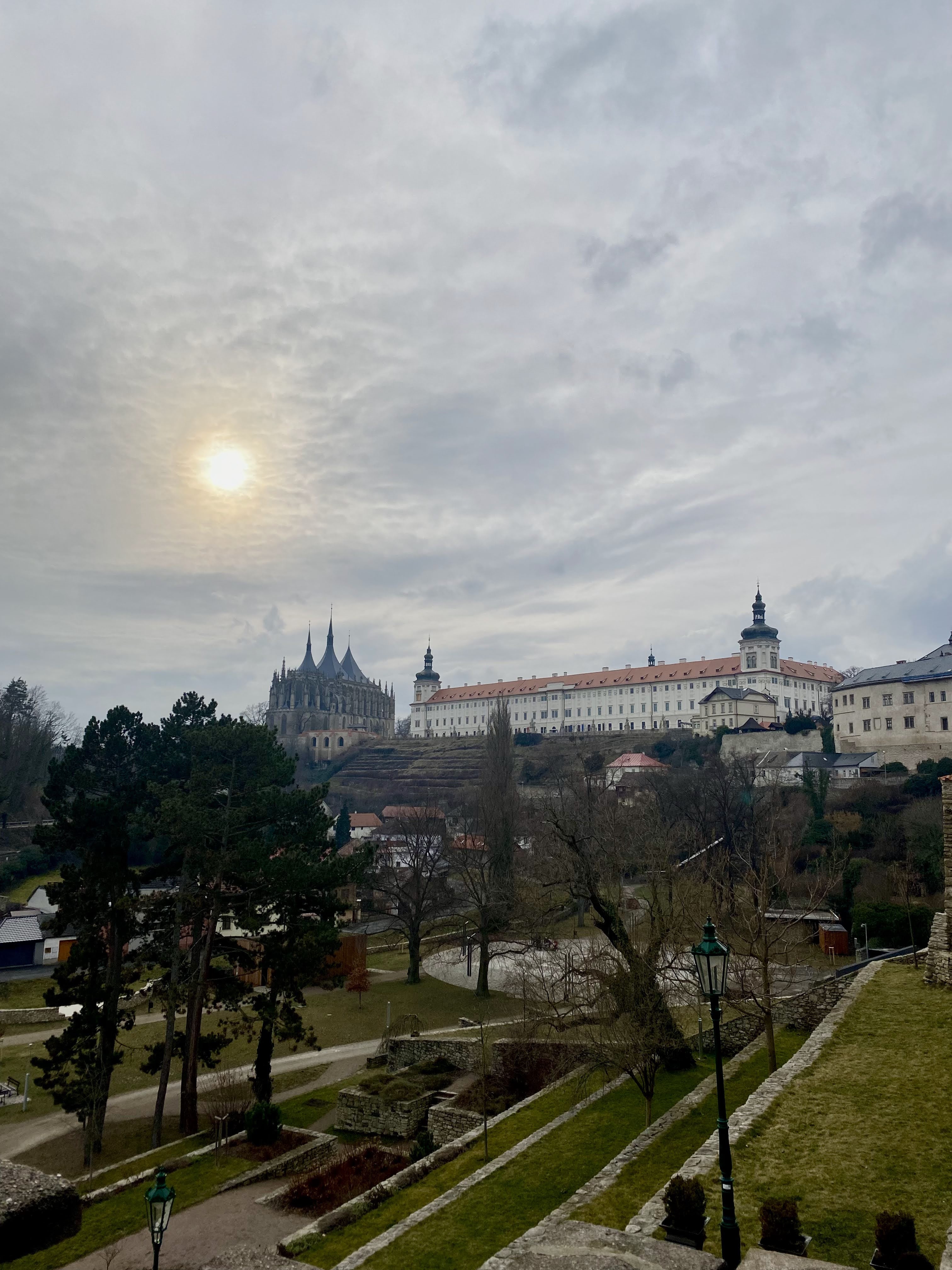

After visiting the mint museum, I wandered through the town center:
- Stone Fountain- Another Gothic masterpiece from the late 1400s.
- Stone House- A Gothic style house built in the late 1400s that is apart of the silver mining museum.
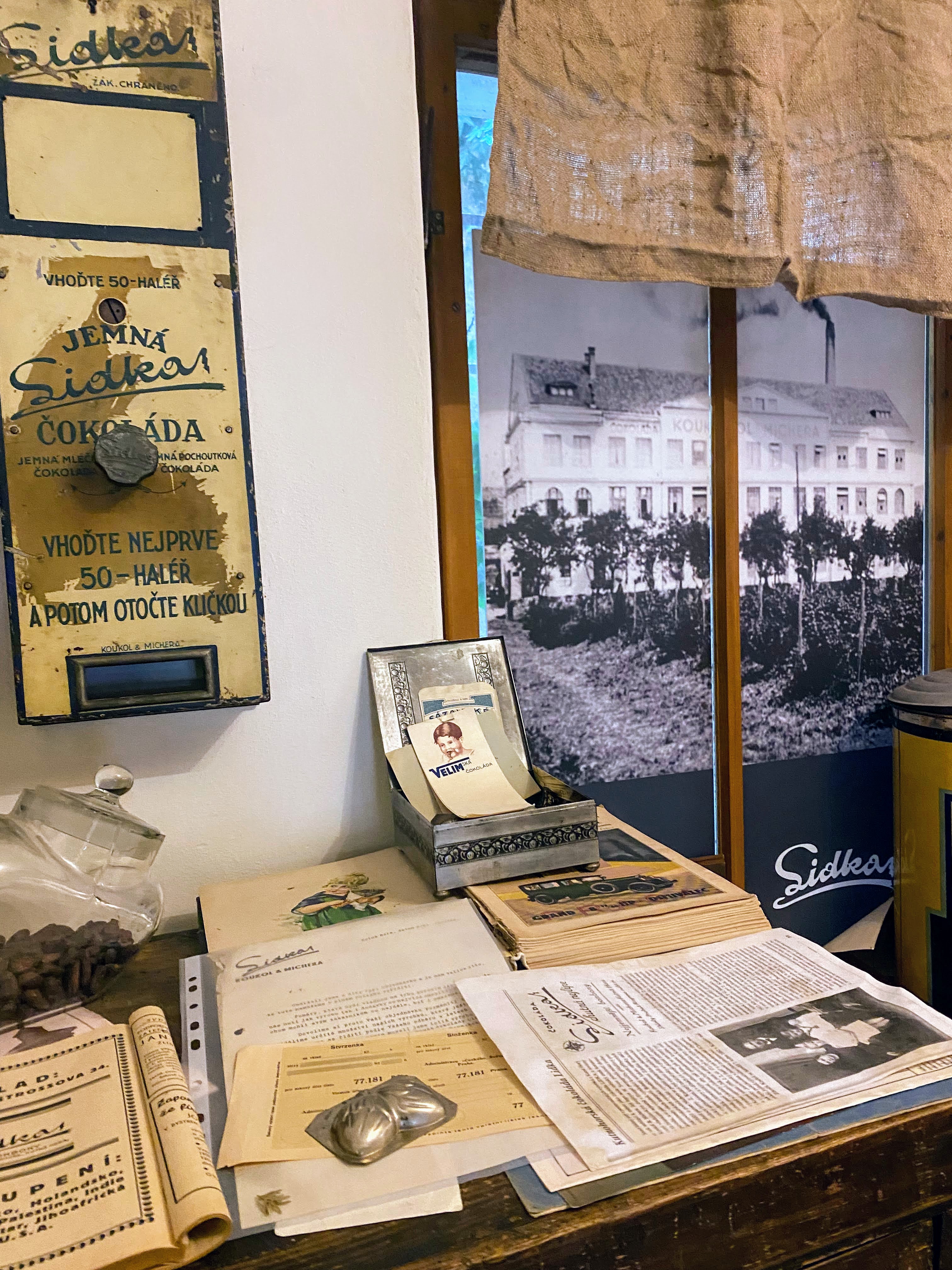
- Chocolate Museum– Lidka Chocolate (looks like “Sidka”) was produced in Kutná Hora in 1918. The chocolate won multiple awards before the factory was nationalized in 1948. I walked into the shop on a whim. The employee gave me a ten-minute history lesson of the factory and gave me chocolate to try.
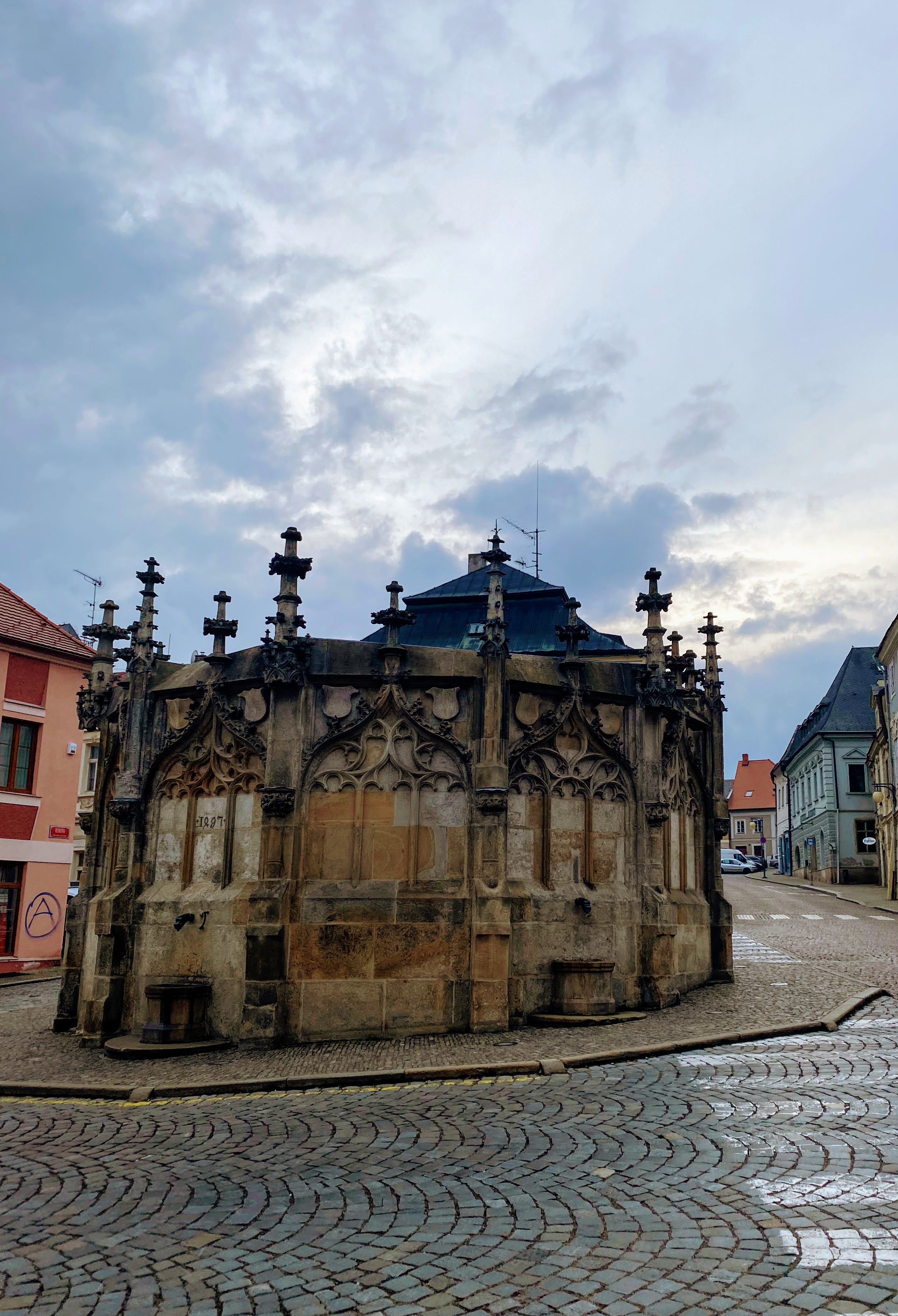
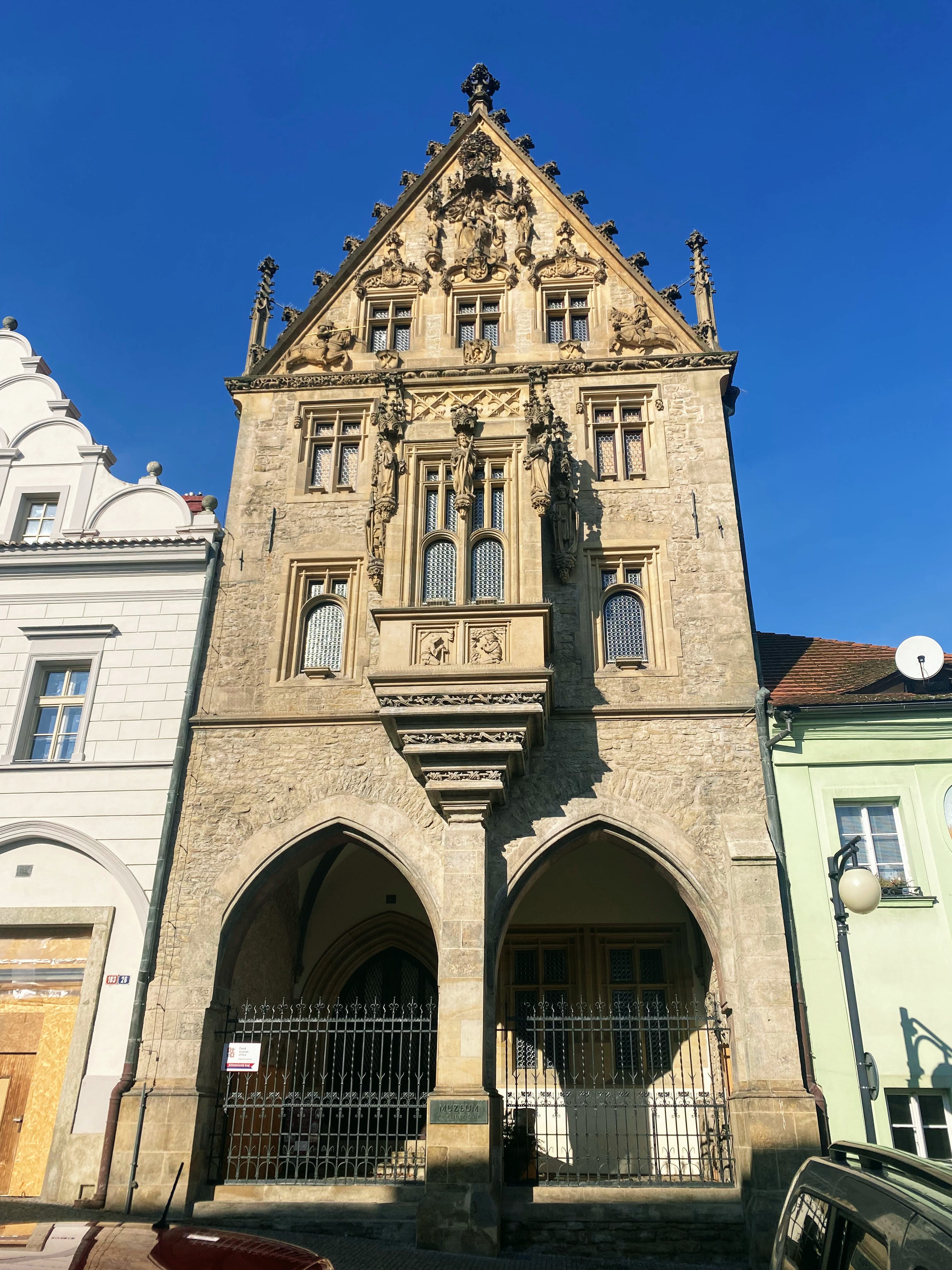
Before walking back to the main train station, I drank an Americano at Kafírnictví, which paired perfectly with the sea salt dark chocolate I bought from the museum. Overall, I am quite pleased with myself for taking a spontaneous, solo day trip. I am sure it will be one of many. 🙂
 kira vesta